Featured Products

New Products

News

  • What Are the Key Benefits of Using Frameless Torque Motors in CNC Machines

    In modern CNC machining, accuracy, speed, and reliability define competitiveness. Frameless Torque Motors have emerged as a transformative direct-drive solution for machine builders seeking to eliminate gearboxes, belts, and mechanical couplings. Jingyue has spent years engineering Frameless Torque Motors that serve as the structural and electromagnetic heart of high-performance CNC equipment. This article examines the measurable advantages these motors deliver on the shop floor.

  • Why Is High Transmission Efficiency a Key Brushless Motor Benefit?

    A design engineer's guide to understanding brushless motor efficiency. Compare efficiency maps, loss breakdown, and total energy cost across different load profiles with real performance data.

  • Hydraulic Motor vs. Electric Motor: Which Performs Better in Harsh Environments?

    A maintenance engineer's guide comparing hydraulic motors and electric motors in harsh environments. Evaluate overload capacity, ingress protection, maintenance access, and total cost of ownership.

  • What Factors Affect the Price of a Cantilever Water Cooled Synchronous Motor

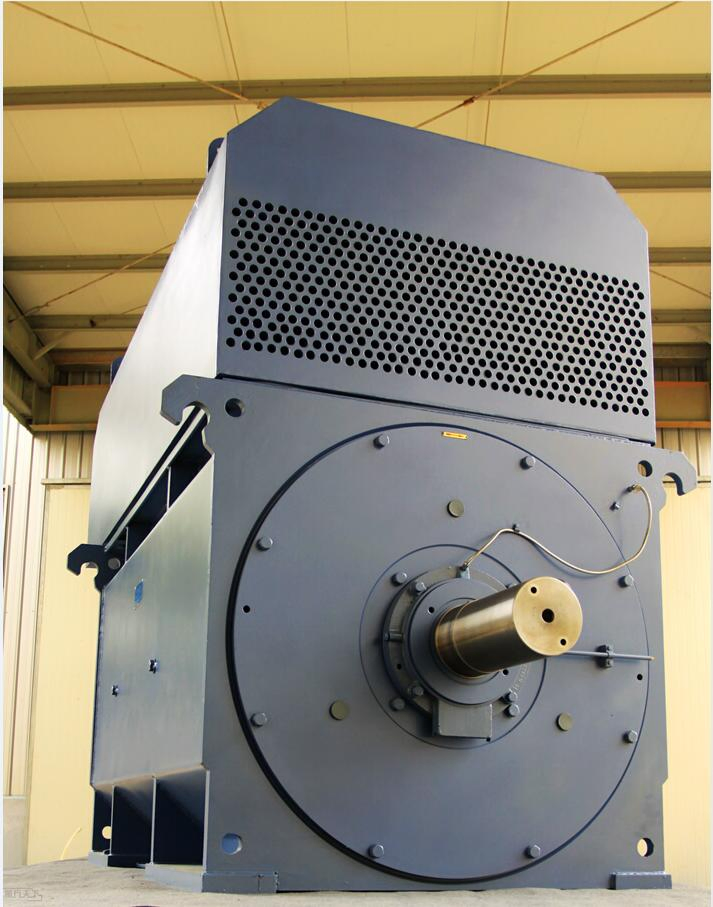
    When engineers and procurement teams evaluate heavy-duty drive solutions, the Cantilever Water Cooled Synchronous Motor often emerges as a preferred choice for applications requiring high torque density and reliable thermal management. At Jiafeng, we have supplied these motors to cement, mining, and metallurgy plants across more than 40 countries, and one of the most frequent questions we hear is why pricing varies so widely between suppliers and configurations. Understanding the cost drivers helps buyers make informed decisions rather than comparing headline figures alone.

  • China High Temperature Reactor Heater: How It Works and Why It Matters

    The heater inside a high-temperature reactor is easy to overlook, but it decides how much energy reaches the coolant and how long the system lasts before failure. China's newest reactor designs are pushing this component harder than ever, and Shenzhou Chemical Industry has focused its engineering on exactly that pressure point. This article walks through the mechanics, materials, and operational reasons why getting the heater right matters more than most plant operators realize. It goes beyond standard specs to examine failure modes, material limits, and small design choices that later show up as either steady output or costly downtime. Readers see how this hidden part shapes overall reactor reliability in daily operation, not just on paper. No dense theory—just the practical factors that link heater performance to plant economics and safety margins. It's a closer look at a component that rarely gets credit but quietly determines whether the whole system meets its targets.

  • Can a ProfiBUS DP Heavy Duty Encoder Replace a Standard SSI Encoder Without PLC Changes

    When upgrading industrial automation systems, engineers often ask whether a ProfiBUS DP Heavy Duty Encoder can directly swap with a legacy SSI (Synchronous Serial Interface) encoder. The short answer is no—not without PLC-level modifications. However, with the right approach and hardware, brands like Jingyue offer practical bridging solutions. This blog explains why a direct replacement fails, what you actually need to change, and how to execute the transition with minimal downtime.

  • What Defines the Precision of a Rugged Absolute Position Sensor

    When selecting position feedback for cranes, winches, or steel mill rollers, the two most critical specifications are resolution and accuracy. For a Modbus Heavy Duty Encoder, these figures directly determine whether your PLC receives actionable data or noisy, unreliable counts. This post breaks down the typical ranges you can expect from industrial-grade absolute encoders, explains how to interpret the numbers, and highlights where Jingyue Kunshan engineering standards fit into the reliability equation.

  • Can a Reducer Gear Motor Worm Drive Gearbox Handle Reversing or Bidirectional Operation Safely

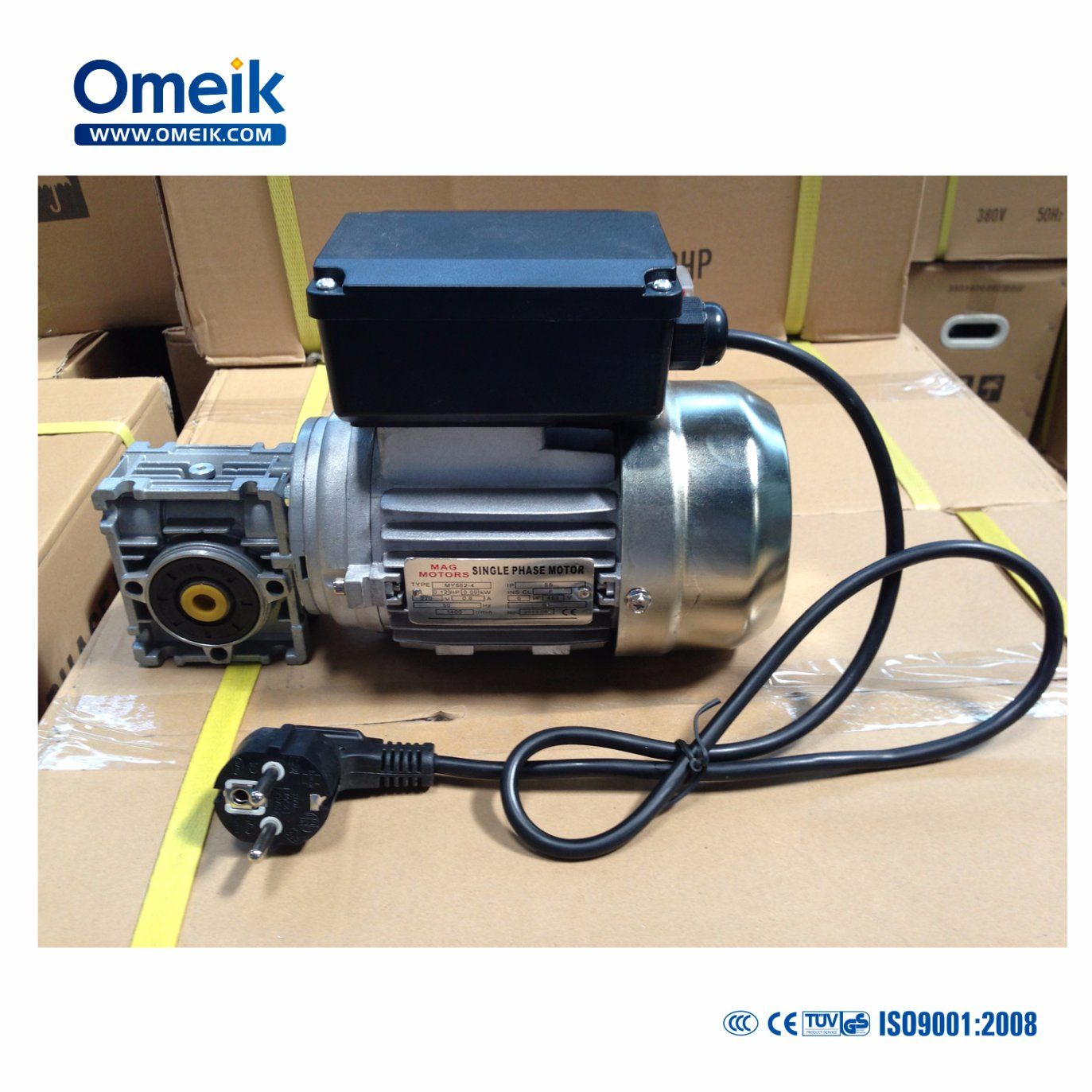
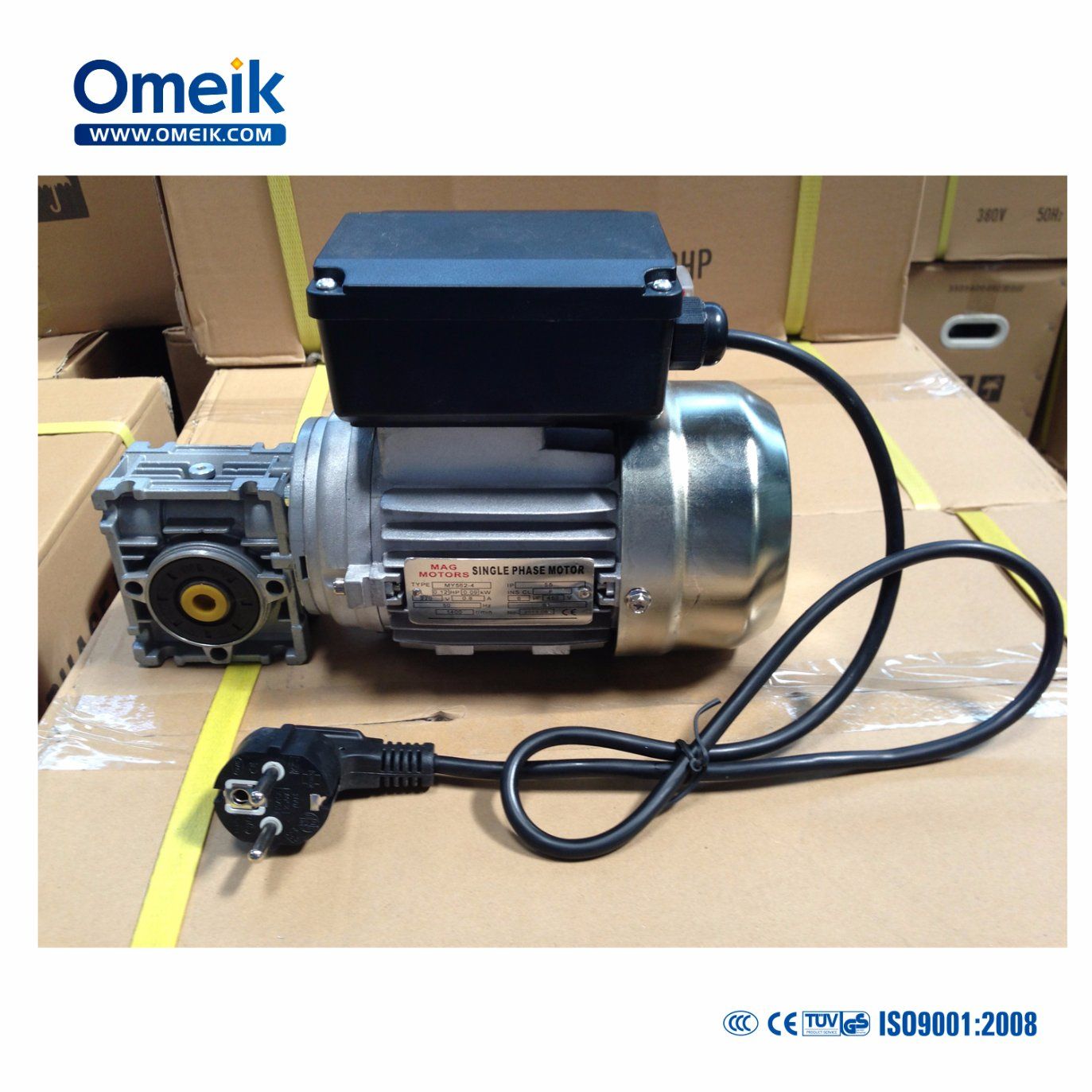
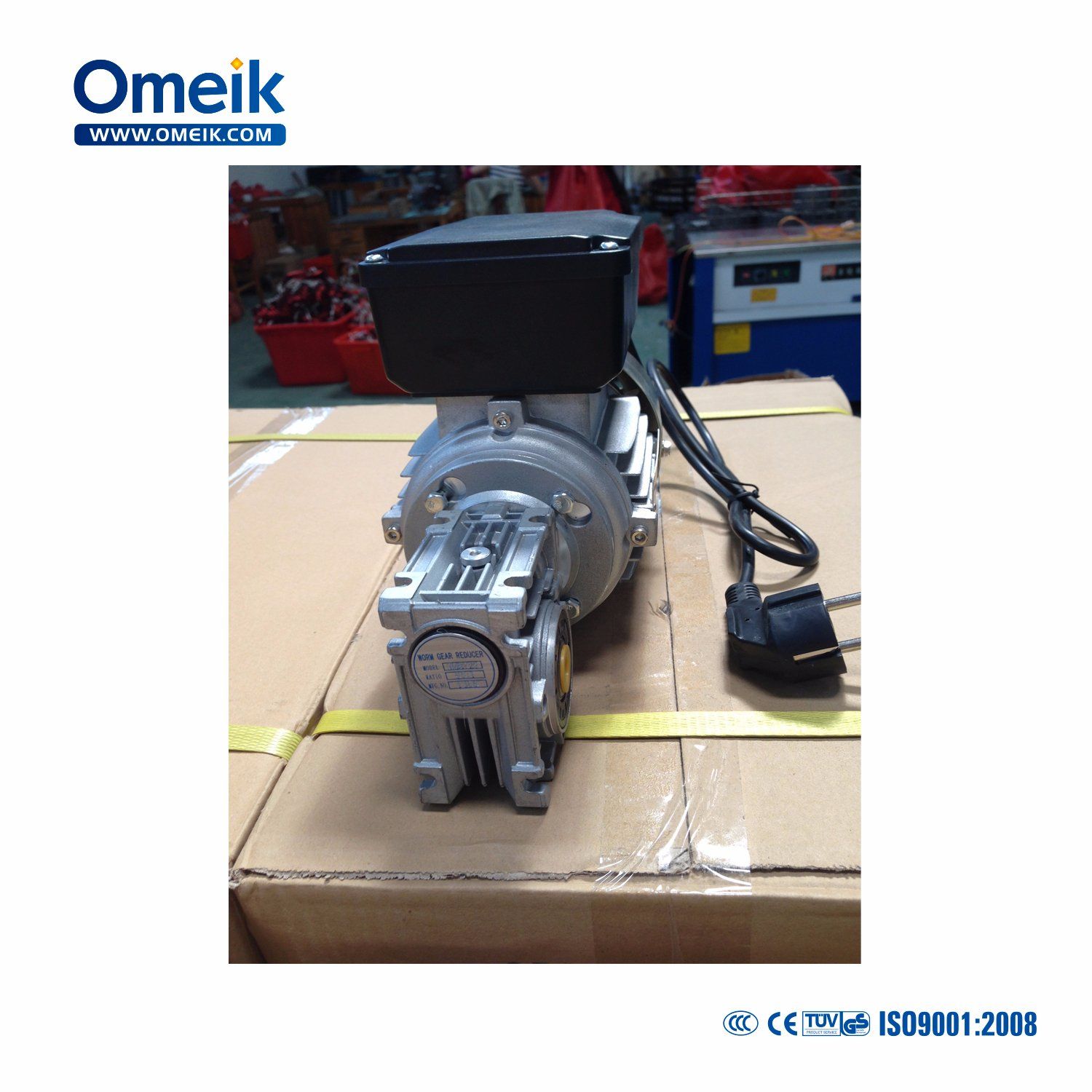
    When designing power transmission systems for industrial automation, material handling, or positioning equipment, engineers frequently ask whether a Reducer Gear Motor Worm Drive Gearbox can tolerate bidirectional rotation without premature wear or catastrophic failure. The short answer is yes—but the safe execution depends on mechanical design, lubrication strategy, and thermal management.

Leave Your Message

  • Click Refresh verification code