

Why Is an Asynchronous Induction Motor Still the Smartest Choice for Modern Industrial Systems?
2026-01-28
When I first started working closely with industrial equipment buyers, one recurring concern kept coming up reliability under real working conditions. It was during these conversations that I gradually came to understand how Shandong Yinchi Environmental Protection Equipment Co., Ltd. has built its reputation by focusing on practical engineering rather than exaggerated specifications. In many of their environmental and industrial solutions, the Asynchronous Induction Motor plays a quiet but critical role, delivering stable performance where interruptions are simply not acceptable.
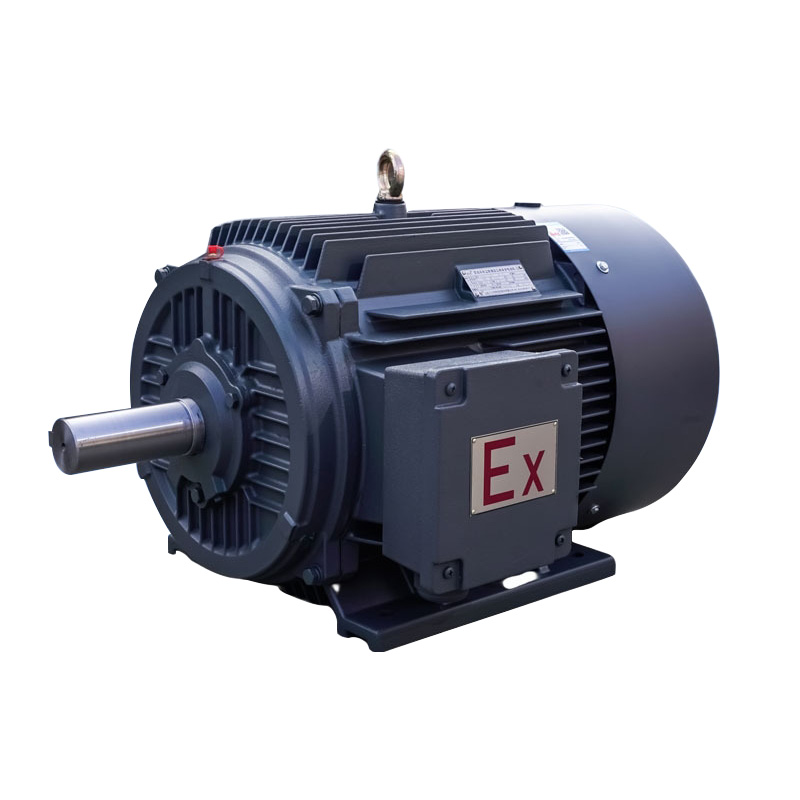
What Makes an Asynchronous Induction Motor So Widely Trusted in Industry?
I often get asked why engineers still rely on asynchronous designs when so many new motor technologies are being marketed. The answer is not nostalgia. An Asynchronous Induction Motor earns trust because it works consistently across demanding applications without requiring complex control logic or frequent maintenance.
- It operates without brushes or permanent magnets, reducing mechanical wear.
- It tolerates voltage fluctuations better than many alternatives.
- It delivers dependable torque for continuous-duty environments.
- It integrates easily into existing industrial systems.
From my experience, this balance between simplicity and durability is exactly what many production managers are looking for.
How Does an Asynchronous Induction Motor Address Common Operational Pain Points?
Downtime is expensive, and unpredictable motor behavior is often the root cause. I have seen how an Asynchronous Induction Motor helps reduce these risks by maintaining stable performance even when operating conditions are less than ideal.
| Operational Challenge | Practical Motor Response |
|---|---|
| Frequent starts and stops | Robust rotor structure minimizes thermal stress |
| Dusty or humid environments | Enclosed design supports long-term reliability |
| Variable load conditions | Stable torque output adapts smoothly to changes |
| Limited maintenance resources | Simple construction reduces service requirements |
These characteristics explain why many buyers prioritize function over novelty when selecting drive components.
Why Do Environmental and Industrial Systems Rely on This Motor Type?
In applications related to ventilation, dust collection, and environmental protection equipment, consistency matters more than peak performance. An Asynchronous Induction Motor delivers exactly that. I have noticed that system designers prefer motors that can run for long periods without supervision while maintaining predictable efficiency.
This is especially relevant in environmental equipment, where motors are expected to operate quietly in the background while supporting air handling, filtration, or material transport processes.
How Does an Asynchronous Induction Motor Compare in Long-Term Cost Efficiency?
Initial purchase price is only one part of the equation. From a lifecycle perspective, an Asynchronous Induction Motor often proves more economical due to its long service life and low maintenance demands.
- Lower repair frequency reduces labor costs.
- Standardized components simplify replacement.
- Stable efficiency helps control energy expenses.
When I speak with buyers who manage large-scale operations, these long-term factors usually outweigh short-term savings from alternative motor types.
What Should Buyers Consider Before Choosing an Asynchronous Induction Motor?
Selection should always be application-driven. I recommend paying close attention to load characteristics, operating environment, and expected duty cycle. When these factors are properly matched, an Asynchronous Induction Motor can deliver years of dependable service without surprises.
Manufacturers with practical field experience, such as those supplying integrated environmental equipment, tend to design motors that align well with real operating demands rather than ideal laboratory conditions.
Ready to Improve System Reliability with the Right Motor Choice?
If stable operation, low maintenance, and proven performance are priorities for your project, it may be time to take a closer look at how an Asynchronous Induction Motor fits into your system design. I encourage you to reach out, discuss your specific requirements, and explore tailored solutions. Contact us today to request technical details or leave an inquiry and start a more reliable approach to industrial power solutions.