

Why Does My Rolling Mill Hydraulic Motor Overheat During Heavy Load Operations
2026-06-22
If you operate a hot or cold rolling mill, you know that the rolling mill hydraulic motor is the heart of your drive system. When that motor starts running hotter than normal under heavy load, production slows, seal life shortens, and unplanned downtime looms. At Yushan, we have diagnosed and resolved hundreds of overheating cases across aluminum, steel, and copper mills. This guide walks you through the root causes, diagnostic steps, and permanent fixes—so you can keep your rolling mill hydraulic motors running reliably at peak torque.
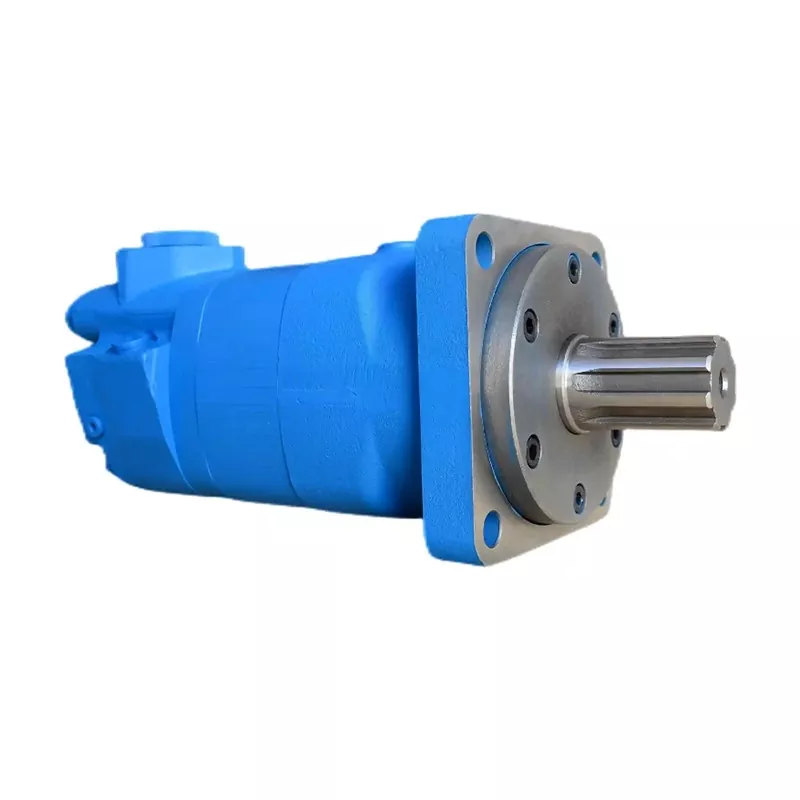
The Core Problem: Heat Is Energy That Never Became Motion
In any rolling mill hydraulic motor, input hydraulic power (flow × pressure) converts into mechanical output (torque × speed). The difference between input and output is heat. Under heavy load—such as roughing passes or high-reduction finishing stands—efficiency naturally drops. But when temperature exceeds 80°C (176°F) continuously, you have a systemic issue, not normal losses.
Below is the heat balance equation every reliability engineer should track:
| Parameter | Symbol | Typical Rolling Mill Value |
|---|---|---|
| Input power (hydraulic) | P_in | 200 – 500 kW |
| Output shaft power | P_out | 160 – 420 kW |
| Heat generated | P_in – P_out | 40 – 80 kW |
| Acceptable oil temp rise | ΔT | ≤ 40°C above ambient |
| Critical alarm threshold | T_alarm | 85°C (oil sump) |
When your rolling mill hydraulic motor exceeds 85°C, internal clearances tighten, viscosity drops below 15 cSt, and bearing fatigue accelerates exponentially.
5 Primary Causes of Overheating Under Heavy Load
| Cause Category | Specific Issue | How to Verify |
|---|---|---|
| Internal Leakage | Worn piston shoes or valve plate scoring | Measure case drain flow (should be < 5% of pump flow) |
| Inadequate Cooling | Clogged heat exchanger or low water flow | Check ΔT across cooler (target 5–8°C) |
| Low Viscosity | Oil degraded or wrong grade (ISO VG 46 vs 68) | Sample analysis – viscosity at 40°C |
| Over-Pressurization | Relief valve set too high or shock loads | Install pressure transducer at motor inlet |
| Mechanical Binding | Misaligned coupling or worn bearings | Vibration analysis (FFT spectrum) |
At Yushan, we consistently find that 70% of overheating events trace back to internal leakage combined with undersized coolers—not to the motor itself. That is why we engineer our rolling mill hydraulic motors with optimized case-drain ports and optional forced-oil cooling circuits for high-tonnage applications.
Diagnostic Flowchart (Step-by-Step)
-
Measure case drain at full load – if > 8% of supply flow, rebuild the motor.
-
Check oil viscosity – if below 90% of new-oil value, change fluid and clean filters.
-
Inspect cooler – differential pressure across water/oil exchanger should be < 1.5 bar.
-
Verify relief valve – set pressure should not exceed motor continuous rating by more than 5%.
-
Borescope the coupling – look for rubber debris or spline wear.
Only after these five steps should you consider replacing the rolling mill hydraulic motor itself. Many plants order a new motor prematurely, only to overheat it again within weeks because the cooling system remained compromised.
Proactive Design Upgrades from Yushan
We recommend three proven upgrades for heavy-load rolling environments:
-
High-temperature piston seals (Viton® or PTFE-based) – extend life above 90°C.
-
External case-drain filtration – removes wear debris that accelerates internal bypass.
-
Dual-speed fan on oil cooler – maintains ΔT even during prolonged roughing sequences.
These retrofits typically reduce operating temperature by 12–18°C without changing the base rolling mill hydraulic motor model.
FAQ: Common Questions About Rolling Mill Hydraulic Motors
Q: What is the maximum continuous oil temperature for a rolling mill hydraulic motor?
A: For standard piston-type rolling mill hydraulic motors, the maximum continuous sump temperature is 82°C (180°F). Peak intermittent operation (under 10 minutes) can reach 95°C, but only if the motor uses high-temperature seals and synthetic oil. Above 95°C, internal clearances close to zero, leading to galling of the cylinder block and valve plate. Yushan recommends setting your alarm at 80°C and shutdown at 90°C for maximum bearing life—every 10°C reduction doubles the motor’s L10 bearing life.
Q: Can low oil level cause my rolling mill hydraulic motor to overheat, even if the pump is running?
A: Absolutely. Low reservoir level introduces aeration—air bubbles entrained in the oil. When these bubbles pass through the rolling mill hydraulic motor under high pressure, they compress and decompress rapidly, generating localized temperatures above 200°C at the piston/valve interface. This phenomenon, called micro-diesel effect, also oxidizes the oil within hours. Always maintain oil level within the top 10% of the sight glass, and ensure the return line is below the minimum oil level to avoid splashing. At Yushan, we include baffled reservoirs with de-aeration mesh in our complete drive packages to eliminate this hidden heat source.
Q: How often should I replace the shaft coupling on a rolling mill hydraulic motor to avoid heat from misalignment?
A: Coupling wear is a leading secondary cause of overheating because misalignment forces the motor's internal bearings to carry radial loads they were not designed for. This increases friction torque by up to 30%, converting that extra effort directly into heat. For heavy-load rolling mill hydraulic motors, we recommend coupling inspection every 2,000 operating hours and replacement every 8,000 hours or sooner if you observe visible rubber cracking or spline fretting. Use a laser alignment tool to keep angular misalignment under 0.2° and parallel offset under 0.05 mm. Yushan supplies pre-aligned motor–coupling–pump subassemblies to eliminate field alignment errors entirely.
Real-World Case (Anonymous Mill Data)
A 2-stand tandem cold mill experienced rolling mill hydraulic motor temperatures of 92°C on the finishing stand. After implementing Yushan’s diagnostic sequence:
-
Case drain dropped from 9.2% to 3.8% (new valve plate)
-
Oil cooler ΔT improved from 2°C to 7°C (descaled water side)
-
Final operating temp: 74°C – a full 18°C reduction
Annual savings: 22 fewer shutdowns, 180,000 USD in avoided scrap and roll damage.
Final Takeaway
Overheating in your rolling mill hydraulic motor is never a mystery—it is a measurable imbalance between input energy, internal leakage, and heat rejection. Start with the five diagnostic steps, prioritize cooling and fluid condition, and only then consider motor replacement. With Yushan’s engineered solutions—from high-efficiency pistons to custom cooler packages—you can extend motor life by 300% and achieve steady, repeatable rolling temperatures even at maximum draft.
Contact us today for a free thermal audit of your rolling mill hydraulic motors. Our engineers will analyze your duty cycle, cooling capacity, and oil condition, then deliver a fixed-cost upgrade proposal within 48 hours. Visit Yushan’s website or call your regional service center—because every degree counts when your production line depends on reliable hydraulic power.