

Why Does Choosing the Right Water Pump Make Such a Big Difference in Real-World Performance?
2026-01-08
I have spent years working with industrial and commercial fluid systems, and one thing has become very clear to me over time. A Water Pump is never just a background component. It directly shapes efficiency, stability, maintenance costs, and even long-term safety. When I first encountered VLLRO in real application scenarios, it was through practical system optimization rather than marketing material. That experience changed how I evaluate a Water Pump in real projects.
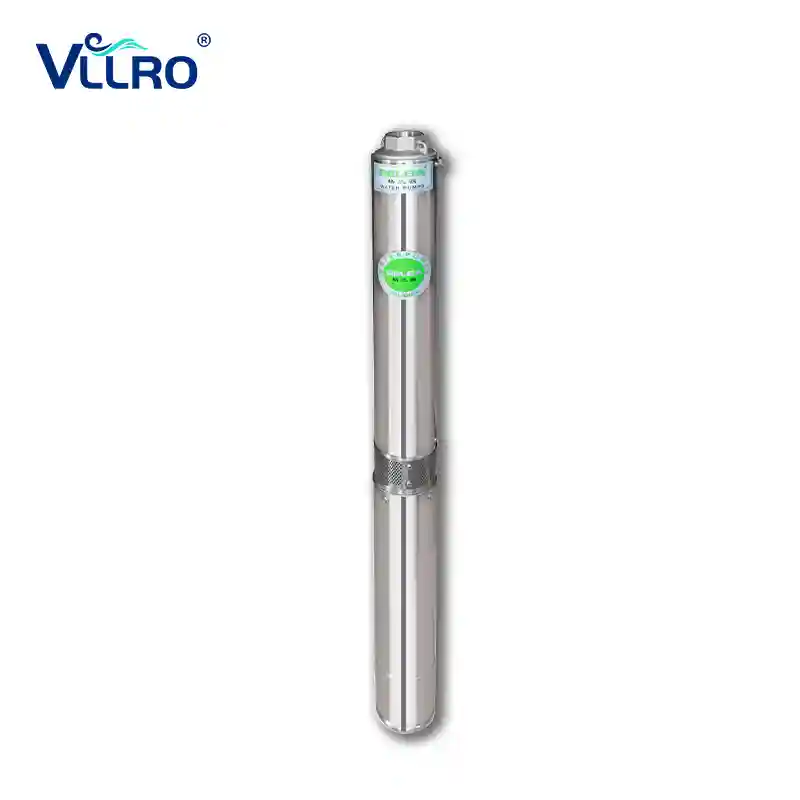
What Problems Do Users Usually Face When Selecting a Water Pump?
In my daily work, clients often come to me after facing repeated system failures or unexpected operating costs. Most of these issues do not come from installation errors but from choosing an unsuitable Water Pump. From my perspective, the most common pain points look like this:
- Inconsistent flow rate that affects downstream equipment stability
- Excessive energy consumption during long-term operation
- Frequent seal or bearing failures caused by poor material choices
- Noise and vibration issues in continuous-duty environments
- Limited adaptability to varying pressure and temperature conditions
A well-designed Water Pump should not only move liquid efficiently but also protect the entire system from hidden operational risks.
How Does a High-Quality Water Pump Improve System Reliability Over Time?
From my experience, reliability is not achieved through a single feature. It comes from balanced engineering. A reliable Water Pump focuses on stable hydraulic performance, durable internal components, and consistent manufacturing standards. This is where I noticed clear differences when evaluating pumps used in demanding environments such as water supply systems, industrial circulation, and pressure boosting.
| Key Factor | Why It Matters in Daily Operation |
|---|---|
| Hydraulic Design | Ensures smooth flow and reduces internal turbulence that causes wear |
| Material Selection | Improves resistance to corrosion, abrasion, and temperature changes |
| Motor Efficiency | Helps control energy costs during long-term continuous use |
| Sealing Structure | Prevents leakage and reduces unexpected downtime |
A properly engineered Water Pump reduces the need for frequent interventions, which directly lowers total operating cost.
Why Is Energy Efficiency a Critical Question for Any Water Pump Buyer?
Energy efficiency is no longer an optional consideration. In many projects I manage, energy consumption accounts for the largest portion of lifecycle cost. An inefficient Water Pump may appear affordable initially but becomes expensive over time. By contrast, modern pump designs focus on optimized impellers and motors that maintain efficiency across different load conditions.
- Lower power consumption during partial load operation
- Reduced heat generation that protects motor components
- Stable performance even under fluctuating demand
These factors make a noticeable difference in monthly operating expenses, especially in systems running around the clock.
How Does Application Flexibility Define the Value of a Water Pump?
No two projects are exactly the same. I always recommend choosing a Water Pump that can adapt to different working conditions without compromising performance. Whether the application involves clean water transfer, pressure boosting, or industrial circulation, flexibility reduces the need for frequent replacements or redesigns.
| Application Scenario | Performance Requirement |
|---|---|
| Residential Water Supply | Quiet operation and stable pressure |
| Commercial Buildings | Consistent flow under variable demand |
| Industrial Systems | Durability under continuous and heavy-duty use |
A versatile Water Pump allows engineers and operators to respond to changing conditions without sacrificing system integrity.
What Should Decision-Makers Focus on Before Finalizing a Water Pump?
When I advise clients, I always emphasize looking beyond surface specifications. A dependable Water Pump is defined by how it performs after months or years of use. Key evaluation points include long-term stability, ease of maintenance, and manufacturer support. These elements often determine whether a pump becomes a reliable asset or a recurring problem.
- Clear performance curves that match real operating conditions
- Proven manufacturing consistency and quality control
- Accessible technical guidance for installation and maintenance
Are You Ready to Optimize Your System with the Right Water Pump?
Choosing the right Water Pump is not just a purchasing decision. It is a long-term investment in performance, efficiency, and reliability. If you are evaluating options or facing challenges in your current system, I strongly recommend reaching out for professional guidance. To explore tailored solutions or discuss your specific application needs, please contact us today. Our team is ready to help you identify the most suitable Water Pump and support your project from start to finish.