

Why Are More Buyers Replacing Traditional Drives With a Permanent Magnet Synchronous Motor?
2026-04-22
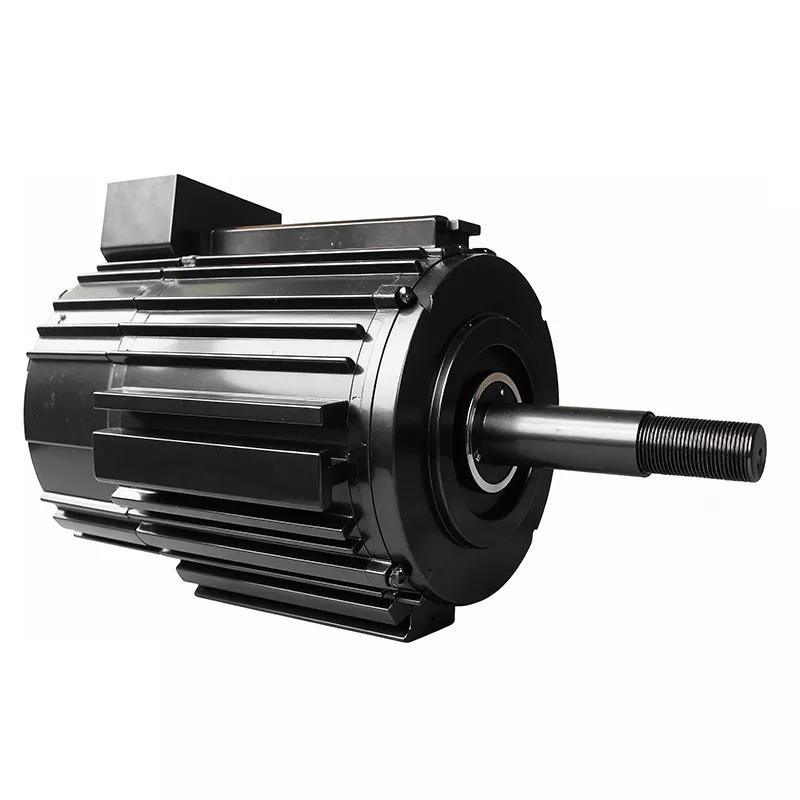
When I evaluate industrial drive solutions, I do not just look at rated power or catalog specifications. I pay close attention to long-term energy use, control accuracy, maintenance pressure, and how easily a motor can fit into a real production environment. That is exactly why, while researching smarter drive options, I found myself paying closer attention to Zhejiang Jiafeng Power Technology Co.,Ltd. and its approach to Permanent Magnet Synchronous Motor solutions. In many real-world applications, a well-designed Permanent Magnet Synchronous Motor can help users lower operating costs, improve control stability, and simplify system design without forcing them into a one-size-fits-all setup.
I have seen many buyers struggle with the same question. They know their existing motors consume too much power, run too hot, or take up too much space, but changing the drive system feels risky. The real issue is not whether a new motor looks advanced on paper. The real issue is whether it solves practical pain points in fans, pumps, automation equipment, and other industrial systems. In this article, I want to break that down in a clear way and explain why the right motor choice can make daily operations easier, not more complicated.
What Problems Usually Push Buyers To Reconsider Their Current Motor System?
In my experience, most purchasing decisions do not begin with excitement. They begin with frustration. A factory may already have a working line, but the hidden losses keep growing. Energy bills rise. Equipment noise becomes harder to ignore. The motor cabinet takes up more room than expected. Downtime caused by heat, vibration, or unstable speed control starts affecting output.
- I often see excessive energy consumption become the first warning sign.
- I also notice that bulky installations create layout limitations in compact equipment.
- In some cases, weak speed regulation affects product consistency and process accuracy.
- Many operators also complain about noise, heat buildup, and ongoing maintenance pressure.
- For export-oriented manufacturers, compliance with tighter efficiency expectations is becoming more important year by year.
Once these issues appear together, the buyer is no longer comparing motors only by price. They are looking for a solution that improves the full operating picture.
How Does a Permanent Magnet Synchronous Motor Solve These Daily Operating Headaches?
I like this question because it shifts attention from abstract claims to useful outcomes. A Permanent Magnet Synchronous Motor is valued because it helps turn electrical input into mechanical output more efficiently, while also supporting tighter speed and torque control. That matters in environments where process stability and power savings directly affect profit.
Compared with many conventional motor arrangements, this type of motor can offer a better balance of compact structure, dynamic response, and running efficiency. For buyers, that usually translates into benefits they can actually measure on site rather than just admire in a brochure.
- I can reduce wasted energy during continuous operation.
- I can get more usable performance from a smaller installation footprint.
- I can improve control quality for systems that depend on speed precision.
- I can support quieter and cooler operation in demanding environments.
- I can build around a motor platform that is easier to match to application-specific needs.
That combination is why the Permanent Magnet Synchronous Motor has become increasingly relevant for industrial upgrades, especially where buyers want efficiency without sacrificing reliability.
Which Product Advantages Matter Most When I Compare Motor Options?
Not every buyer weighs priorities the same way, but I usually focus on five decision factors that have the strongest operational impact. These factors also make it easier to compare different suppliers in a practical, non-theoretical way.
| Decision Factor | Why It Matters | What Buyers Should Look For |
|---|---|---|
| Energy Efficiency | Lower electricity use supports lower lifecycle cost | Stable high-efficiency design under real operating loads |
| Power Density | More output in less space helps compact equipment design | Smaller structure without compromising performance |
| Control Precision | Speed and torque accuracy influence process consistency | Smooth operation across changing load conditions |
| Thermal Performance | Cooler operation can improve stability and service life | Reliable heat management for continuous-duty use |
| Customization Potential | Application fit often determines actual project success | Ability to adapt design to specific equipment requirements |
When I review a supplier through this lens, I am not just asking whether the motor is modern. I am asking whether it is practical to install, dependable to run, and financially sensible to keep operating for years.
Why Does Integration Matter So Much In Modern Industrial Equipment?
One trend I have watched closely is the move toward more integrated motor systems. Buyers increasingly want cleaner layouts, fewer external components, and faster installation. That preference makes sense. Every extra cabinet, cable path, or matching step adds complexity to the project.
In many applications, an integrated solution can help reduce assembly work and save valuable installation space. For machine builders, that can support a neater equipment structure. For end users, it can mean easier deployment and a more streamlined system architecture. When a supplier understands this shift, the value of the motor goes beyond rotation alone. It becomes part of a smarter equipment design strategy.
That is one reason a carefully engineered Permanent Magnet Synchronous Motor is attracting attention from buyers who want not only efficiency, but also better integration with automation and modern industrial control needs.
What Should I Expect From A Supplier Instead Of Just A Product Seller?
I do not believe serious buyers only need a catalog. Most projects involve application-specific concerns, and that means the supplier must understand more than basic output ratings. They should be able to communicate clearly about operating conditions, control expectations, installation limits, and long-term performance targets.
This is where supplier mindset becomes important. A company that develops motors around actual industrial use cases is far more useful than one that simply lists models and waits for a purchase order. From what I have seen, buyers respond better to manufacturers that approach motor selection as a matching process rather than a simple transaction.
- I want technical communication that connects product design with real application needs.
- I want flexibility when the project requires non-standard configuration.
- I want manufacturing consistency, because repeatability matters in industrial procurement.
- I want support that helps reduce selection mistakes before installation begins.
That is why many procurement teams now look beyond the motor itself and pay closer attention to whether the manufacturer can function as a dependable project partner.
How Can I Compare Traditional Motors And A Permanent Magnet Synchronous Motor More Realistically?
It is easy to make broad comparisons, but I prefer practical evaluation. Instead of asking which motor sounds more advanced, I ask which one performs better under the conditions that matter to the buyer’s plant, machine, or project timeline.
| Comparison Area | Traditional Motor Setup | Permanent Magnet Synchronous Motor |
|---|---|---|
| Energy Use | Often higher under continuous operation | Usually better suited to energy-saving goals |
| System Footprint | May require larger installation space | Often supports more compact equipment design |
| Control Response | Can be less refined in demanding applications | Better aligned with precision speed and torque control |
| Heat And Noise | Can become a concern in long-hour usage | Often designed for more stable and efficient operation |
| Upgrade Value | May maintain old system limitations | Better suited to modernization and intelligent equipment trends |
Of course, the right choice still depends on application details. Still, when energy, precision, and space all matter at the same time, the case for a Permanent Magnet Synchronous Motor becomes much stronger.
Which Applications Benefit Most From This Type Of Motor?
I have found that the strongest value appears in applications where efficiency, control, and continuous performance all matter at once. These are not niche concerns. They are common across many industries.
- Fan systems that need efficient and stable airflow control
- Pump systems that run for long hours and must control operating cost
- Automation equipment that depends on smooth and accurate motion
- Industrial machinery where compact design improves overall layout
- Equipment upgrades where users want better performance without unnecessary complexity
When buyers in these sectors rethink their drive architecture, they often discover that the motor decision influences far more than power delivery alone. It shapes noise level, maintenance rhythm, installation design, and even the ability to meet future efficiency expectations.
Why Do Long-Term Costs Matter More Than Purchase Price Alone?
I understand why many buyers focus on initial quotation first. Budget pressure is real. But I have also seen projects become more expensive over time because the selected motor kept draining money after installation. A lower entry price can lose its advantage quickly if the system consumes more power, needs more service attention, or limits production performance.
That is why I always consider lifecycle value. A motor that supports lower electricity use, stable operation, and more compact integration may help reduce hidden costs across the full service period. Those savings are often easier to appreciate after several months of operation, when the line is running under normal demand and every inefficiency starts showing up in daily numbers.
For many buyers, the smarter question is not “Which motor is cheaper today?” but “Which motor creates fewer operational penalties next year?”
What Makes Zhejiang Jiafeng Power Technology Co.,Ltd. Worth Watching In This Market?
When I look at suppliers in this field, I pay attention to whether they are clearly focused on high-efficiency and application-driven motor development. That focus matters because buyers do not need generic promises. They need product thinking that reflects current industrial demands such as energy savings, compact design, and smarter control integration.
Zhejiang Jiafeng Power Technology Co.,Ltd. stands out to me because its product direction aligns with those real market concerns. Its work around integrated and air-cooled motor solutions suggests a clear response to what industrial users are actually trying to improve in the field. Instead of treating the motor as an isolated component, the company appears to position it as part of a broader efficiency and performance upgrade.
For buyers who are reviewing options carefully, that kind of positioning is useful. It signals that the conversation can move beyond simple model selection and toward application suitability, operating benefits, and project value.
How Can I Move Forward If I Want A Better Motor Solution Without Taking Unnecessary Risk?
If I were planning a motor upgrade today, I would begin by mapping my real pain points first. I would check energy usage, control requirements, available installation space, and maintenance concerns. Then I would compare whether a Permanent Magnet Synchronous Motor could solve those issues more effectively than the current setup. That process leads to better decisions because it starts from operational need, not marketing language.
If you are evaluating a new drive solution and want to discuss application fit, efficiency goals, or custom motor requirements, this is the right time to start the conversation. A better motor choice can support lower costs, steadier performance, and a more competitive equipment design. If you want to learn more about the right Permanent Magnet Synchronous Motor for your project, please contact us today and send your inquiry. The sooner we discuss your operating goals, the sooner you can move toward a more efficient and reliable system.