

Which Hydraulic Fluid Is Best for an Internal Gear Hydraulic Motor in Cold Climates
2026-06-10
Selecting the correct hydraulic fluid for an Internal Gear Hydraulic Motor operating in low temperatures is not a minor maintenance detail—it directly impacts start-up reliability, component wear, and overall system efficiency. For operators relying on Yushan precision hydraulic solutions, understanding fluid behavior at sub-zero conditions is essential to protect internal gear sets and bearings from premature failure.
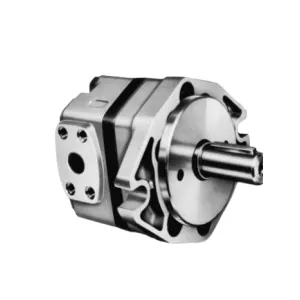
Why Cold Climate Fluids Matter for Internal Gear Hydraulic Motors
Standard hydraulic fluids thicken as temperatures drop, leading to cavitation, reduced lubrication at start-up, and sluggish rotor response. Internal Gear Hydraulic Motors depend on tight clearances between the inner and outer gears. Viscosity that is too high prevents proper fluid film formation; too low a viscosity causes metal-to-metal contact. The goal is a fluid that remains pumpable at -30°C while maintaining adequate film strength at operating temperatures.
Best Hydraulic Fluid Types for Cold Climates
| Fluid Type | Recommended Viscosity Grade | Low-Temperature Limit | Best For |
|---|---|---|---|
| Synthetic PAO (Polyalphaolefin) | ISO VG 15–22 | -40°C to -50°C | Extreme arctic conditions, continuous outdoor operation |
| High VI (High Viscosity Index) Mineral Oil | ISO VG 22–32 | -25°C to -35°C | Most industrial and mobile applications |
| Cold-Weather Biodegradable (HEES) | ISO VG 22 | -30°C to -40°C | Environmentally sensitive sites (forestry, marine) |
| Low-Pour-Point Mineral Oil | ISO VG 32 | -25°C | General cold climate, intermittent use |
Yushan field data confirms that Internal Gear Hydraulic Motors running on synthetic PAO fluids in Nordic winters show 40% fewer cold-start seal failures compared to those using conventional mineral oils.
Recommended Fluid Properties Checklist
-
Pour point at least 10°C below the lowest expected ambient temperature
-
Viscosity index above 150 for synthetics; above 130 for mineral oils
-
Rust and oxidation inhibitors mandatory for condensation-prone environments
-
Anti-wear (AW) additives meeting ASTM D2882 or ISO 12922 specifications
-
Filterability down to 10–25 microns at low temperatures
FAQ: Common Questions About Internal Gear Hydraulic Motors in Cold Climates
Question 1: Can I use standard AW 46 hydraulic fluid in my Internal Gear Hydraulic Motor when winter temperatures drop to -20°C?
No. AW 46 typically has a pour point around -15°C to -18°C. At -20°C, its viscosity may exceed 2000 cSt, causing severe cavitation and potential gear seizure. Switch to a cold-weather ISO VG 22 or 32 mineral oil with a pour point below -30°C. If operation below -25°C is expected, Yushan recommends a synthetic PAO ISO VG 15 with proven anti-wear chemistry.
Question 2: How often should I change hydraulic fluid in Internal Gear Hydraulic Motors used intermittently in freezing conditions?
Intermittent use accelerates condensation inside the motor housing. Water contamination combined with low temperatures promotes ice particle formation, which damages the internal gear profiles. Change the fluid every 500 operating hours or at the start of each winter season—whichever comes first. Annual fluid analysis for water content (keep below 200 ppm) and viscosity shift is highly recommended.
Question 3: Will switching to a thinner cold-weather fluid reduce the volumetric efficiency of my Internal Gear Hydraulic Motor?
A properly selected cold-weather fluid should not reduce efficiency once the motor reaches steady operating temperature (40–60°C). However, during the warm-up phase, slightly increased internal leakage is normal. To compensate, Yushan engineers suggest using a fluid with a high viscosity index (VI >150) and, where possible, installing a thermostatic oil heater or low-speed warm-up cycle. Efficiency loss at full operating temperature is typically less than 3% compared to standard fluids.
Practical Tips for Cold-Climate Operation
-
Pre-heat the reservoir using immersion heaters when ambient temperatures fall below -25°C.
-
Use fine-mesh suction strainers (100–150 μm) instead of suction filters to avoid cavitation.
-
Monitor motor case drain temperature; a slow rise indicates proper fluid flow.
-
Store spare Internal Gear Hydraulic Motors indoors before installation to prevent internal frosting.
Yushan offers factory-certified cold-climate fluid recommendations and pre-delivery flushing for all Internal Gear Hydraulic Motors shipped to regions with harsh winters.
Need Expert Guidance for Your Internal Gear Hydraulic Motor?
Selecting the wrong fluid in cold climates leads to costly downtime and irreversible gear wear. Yushan provides free viscosity audits and customized fluid selection charts for your operating temperature range. Contact us today to discuss your application requirements or request a winterization kit for your Internal Gear Hydraulic Motor system.