

When I evaluate motion control parts for a new machine, I rarely start with price alone. I start with the real cost of unstable positioning, wasted energy, difficult wiring, heat buildup, and downtime. That is why I paid attention to Zhejiang Jiafeng Power Technology Co., Ltd., a motor manufacturer that has been developing practical motion solutions for industrial automation, robotics, precision machinery, and customized equipment. For buyers comparing a Servo Motor for long term production use, the real question is not only whether the motor can run, but whether it can keep running accurately, efficiently, and predictably under daily working pressure.
In my view, a good servo system should help a machine builder solve problems before they appear on the production floor. It should respond quickly, hold position steadily, reduce unnecessary energy loss, and fit into the customer’s existing design without creating installation headaches. That is the angle I use in this article. I will look at what makes a Servo Motor valuable, which product features matter most, and how buyers can make a smarter sourcing decision without getting lost in technical claims.
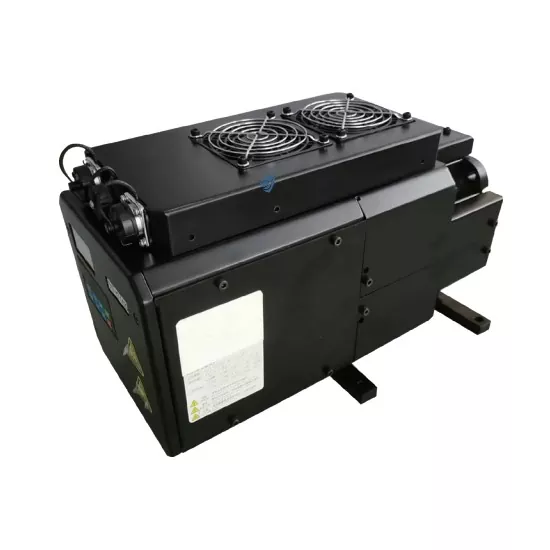
What Problems Does a Servo Motor Need to Solve First?
I have seen many purchasing teams focus on rated power or price at the beginning, but the deeper pain points usually appear later. A machine may look fine during testing, then lose accuracy after long operation. A motor may meet the basic specification, yet create too much heat in a compact cabinet. A system may deliver motion, but need excessive wiring, tuning, or maintenance time. These are not small issues. They affect output stability, labor cost, and customer confidence.
A reliable Servo Motor should be selected around the problems it must prevent. In industries such as automated assembly, packaging machines, robotics, medical equipment, textile equipment, and special machinery, I usually pay attention to the following concerns.
- Can the motor keep accurate positioning during repeated starts and stops?
- Can it respond fast enough when the production rhythm changes?
- Can it reduce vibration and keep movement smooth at different speeds?
- Can it control heat rise during long running hours?
- Can the structure fit limited machine space without complicated redesign?
- Can the supplier support customization when standard models do not match the application?
These questions sound practical because real buyers do not purchase motors for a brochure. They purchase motors for machines that must work every day. That is where product design, engineering support, and manufacturing consistency become more important than attractive wording.
Which Features Should I Check Before Choosing a Servo Motor?
When I compare motor options, I prefer to break the decision into performance, structure, efficiency, and service support. A Servo Motor used in precision automation must do more than spin. It must work as part of a control system where the drive, encoder, load, installation environment, and operating cycle all influence the final result.
| Selection Point | Why It Matters | What I Look For |
|---|---|---|
| Positioning Accuracy | It affects cutting, assembly, inspection, feeding, and robotic movement quality. | Stable feedback, accurate response, and smooth control during frequent motion changes. |
| Dynamic Response | Fast response helps machines shorten cycle time and handle speed changes. | Quick acceleration, steady deceleration, and reduced overshoot. |
| Energy Efficiency | Long term electricity cost matters in production lines that run many hours per day. | Optimized electromagnetic design and lower loss during operation. |
| Temperature Control | Lower heat rise can protect components and extend service life. | Efficient cooling design, stable insulation performance, and reliable operation under load. |
| Noise and Vibration | Smoother operation improves machine quality and working environment. | Balanced design, reduced torque fluctuation, and low vibration at different speeds. |
| Customization | Many industrial projects cannot depend on one standard model. | Flexible engineering support for power, size, protection level, encoder, and installation needs. |
A supplier that understands these points can help buyers reduce trial and error. I find this especially useful for OEM machine builders, because one unsuitable motor may delay the entire machine delivery schedule.
Is a Driver Integrated Servo Motor Better for Compact Machines?
For many automation projects, space is no longer generous. Machine builders want cleaner cabinets, shorter wiring paths, faster installation, and easier maintenance. This is where a driver integrated design becomes attractive. Instead of treating the motor and drive as separate items that need more layout space and wiring work, an integrated solution can simplify the system.
I would consider a driver integrated Servo Motor when the machine has limited room, repeated modular units, or strict installation efficiency requirements. It can be useful in robots, small automated workstations, precision feeding systems, and equipment where cable management directly affects assembly time.
- It can reduce wiring complexity for machine builders.
- It can save space in compact automation systems.
- It can make installation cleaner and easier to maintain.
- It can reduce the chance of wiring errors during assembly.
- It can support more modular equipment design.
I would not say every project needs an integrated design. Some machines still require separate drive layouts because of control architecture or maintenance habits. However, when the goal is a compact and efficient machine structure, this option deserves serious attention.
How Does Better Motor Design Improve Daily Production Stability?
The real value of motor design often appears after hundreds or thousands of operating hours. A motor with unstable torque behavior may create vibration. A motor with poor heat control may age faster. A motor with weak response may limit machine speed. In other words, daily stability is built into the design long before the motor reaches the customer’s workshop.
From a buyer’s perspective, I pay close attention to magnetic circuit design, encoder performance, cooling structure, and protection capability. These details influence whether a Servo Motor can remain accurate and dependable when the workload becomes repetitive and demanding.
| Design Factor | Practical Benefit | Buyer Value |
|---|---|---|
| Optimized Magnetic Circuit | Helps create smoother torque output and more stable operation. | Better motion quality and fewer vibration related issues. |
| High Resolution Feedback | Improves position control and repeatability. | More confidence in precision equipment and automated processes. |
| Efficient Heat Management | Controls temperature rise during continuous work. | Longer service life and reduced maintenance pressure. |
| Compact Structure | Supports smaller machine layouts and cleaner installation. | More design flexibility for OEM equipment manufacturers. |
| Application Based Customization | Allows the motor to match special load and environment requirements. | Lower mismatch risk and smoother project implementation. |
I prefer suppliers that can explain these details in plain language. A buyer should not need to guess whether the motor suits the application. Clear technical communication saves time, especially when the project involves export machines, special working conditions, or non standard installation requirements.
Do Energy Efficiency and Heat Control Really Affect Servo Motor Cost?
Yes, and I think this point is often underestimated. The purchase price is visible at the beginning, but electricity consumption, cooling pressure, maintenance frequency, and downtime risk continue throughout the motor’s service life. For factories that run multiple machines, even small efficiency improvements can become meaningful over time.
A high efficiency Servo Motor can help reduce operating waste while keeping stable output. Heat control is just as important. Excessive temperature rise can affect insulation, bearings, surrounding components, and the overall reliability of the machine. When a motor runs cooler and more steadily, the machine builder has fewer surprises after delivery.
- Lower heat rise can support longer continuous operation.
- Better efficiency can reduce long term power consumption.
- Stable temperature can protect internal components.
- Reduced noise and vibration can improve machine quality.
- Reliable performance can lower after sales pressure for equipment manufacturers.
For this reason, I never treat efficiency as a decorative claim. I treat it as part of the total ownership cost. Buyers who only compare unit prices may save a little at the beginning but spend more later through adjustment, replacement, or customer complaints.
Which Applications Benefit Most from a Reliable Servo Motor?
I would choose servo technology whenever a machine needs controlled speed, accurate position, fast response, and repeatable motion. This is why the product category is widely used across modern automation. The right Servo Motor can support both standard equipment and customized machinery where movement quality directly affects production results.
| Application Area | Common Requirement | How the Motor Helps |
|---|---|---|
| Industrial Robots | Fast response, accurate positioning, and smooth joint movement. | Supports stable motion control and repeatable operation. |
| Precision Machinery | Fine movement control and low vibration. | Improves machining, feeding, measuring, and positioning quality. |
| Packaging Equipment | Continuous running, speed matching, and reliable start stop control. | Helps keep production rhythm stable and reduces material waste. |
| Medical Devices | Smooth operation, compact size, and dependable control. | Supports precise movement in equipment where reliability matters. |
| Special Machinery | Customized size, protection, power, or control requirements. | Allows engineering adjustment according to the real working condition. |
The best result comes when the motor is selected according to the actual load, speed range, duty cycle, installation space, and control method. This is why I prefer a supplier that can discuss application details rather than simply recommend one standard model for every project.
How Can I Avoid Choosing the Wrong Servo Motor Supplier?
A wrong supplier may not look wrong at the quotation stage. The problem usually appears when buyers need drawings, customized parameters, technical confirmation, stable lead time, or after sales support. I believe supplier evaluation should include both product capability and communication quality.
When I review a Servo Motor supplier, I usually ask practical questions before moving forward.
- Can the supplier understand the real machine application instead of only asking for rated power?
- Can they provide suitable options for integrated or non integrated designs?
- Can they support customization for structure, installation, protection, and performance needs?
- Can they explain efficiency, heat rise, response, and accuracy in a clear way?
- Can they help reduce risk for OEM projects and repeat orders?
- Can they maintain consistent quality instead of only offering a low price?
Zhejiang Jiafeng Power Technology Co., Ltd. is worth considering because its product direction fits many of these buyer concerns. Its motor range covers servo solutions along with other industrial motor categories, which gives buyers more room to match different equipment designs. More importantly, the focus on precision control, efficient operation, compact design, and customization makes the company relevant for machine builders that need more than a basic motor supply.
What Should I Tell the Supplier Before Requesting a Quotation?
A clear inquiry saves time for both sides. I always suggest preparing the key working conditions before asking for a quotation. This helps the supplier recommend a more suitable Servo Motor and reduces the chance of repeated revisions.
| Information to Prepare | Why It Helps |
|---|---|
| Application and machine type | Helps the supplier understand the actual working purpose. |
| Rated power and torque demand | Supports correct sizing and prevents under selection. |
| Speed range and duty cycle | Helps evaluate heat control and continuous running performance. |
| Installation space and mounting method | Allows the supplier to check structure compatibility. |
| Control system and encoder requirement | Helps ensure better matching with the existing automation setup. |
| Working environment | Helps confirm protection needs, cooling design, and durability expectations. |
| Annual demand or project quantity | Helps the supplier plan production and support long term cooperation. |
This kind of preparation makes the conversation more professional. It also helps buyers receive a useful recommendation instead of a vague price list. For export buyers and OEM manufacturers, that difference can save days or even weeks during project development.
Is This Servo Motor Suitable for Long Term OEM Cooperation?
In my opinion, the answer depends on whether the supplier can support both technical matching and stable production. OEM cooperation is not a one time transaction. It needs repeatable quality, responsive communication, flexible customization, and a motor design that can fit future machine upgrades.
A well selected Servo Motor can become part of the machine’s competitive advantage. It can help the equipment run smoother, react faster, consume less energy, and reduce the after sales burden. That matters for machine builders selling to customers who care about uptime, precision, and total operating cost.
I would especially recommend paying attention to Jiafeng’s driver integrated servo option for compact automation projects and its high efficiency servo option for equipment where long running stability and energy performance are important. These product directions match current industrial needs, where customers want machines to be smarter, cleaner, more efficient, and easier to maintain.
Why Should Buyers Contact Jiafeng Before Finalizing a Servo Motor Project?
I would contact the supplier early because motion control decisions influence machine structure, electrical design, installation space, and final performance. Waiting until the machine is almost finished may limit the available options. Early communication gives both sides time to confirm torque, speed, encoder, mounting, cooling, protection, and customization requirements.
If you are developing industrial robots, automation equipment, precision machinery, medical devices, or special purpose machines, Zhejiang Jiafeng Power Technology Co., Ltd. can help you review the working conditions and discuss a suitable Servo Motor solution. Share your drawings, operating requirements, and project goals with the team, and ask for a recommendation based on real application needs. For buyers who want stable motion control, efficient performance, and practical customization support, this is the right time to send an inquiry. Contact us today to discuss your project and get a tailored servo motor solution for your equipment.