

What Maintenance Practices Extend the Service Life of Small Orbital Hydraulic Motors
2026-03-20
When it comes to hydraulic systems, the durability of Small Orbital Hydraulic Motors is often a top priority for engineers and equipment owners. These compact powerhouses are essential for driving conveyors, augers, and industrial machinery, but their lifespan hinges entirely on the care they receive. At Yushan, we have spent decades refining the manufacturing process of these motors, and we know that proactive maintenance is the single most effective way to maximize return on investment. Understanding exactly what maintenance practices extend the service life of Small Orbital Hydraulic Motors can mean the difference between decades of reliable operation and frequent, costly downtime.
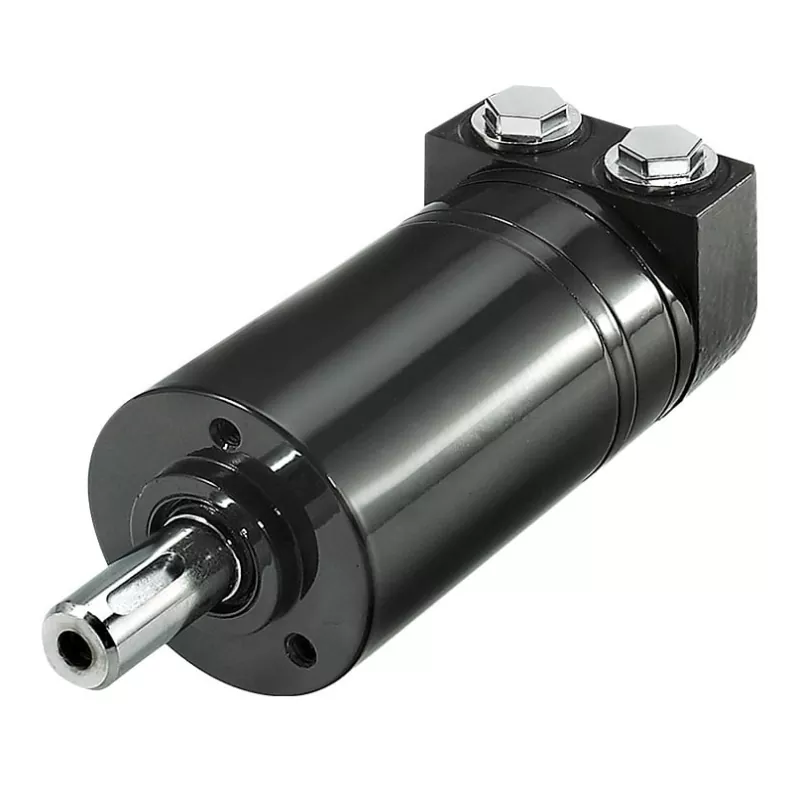
The philosophy behind maintaining Small Orbital Hydraulic Motors revolves around three core pillars: fluid integrity, mechanical alignment, and thermal management. Unlike standard hydraulic components, orbital motors utilize a geroller or gerotor mechanism that operates with extremely tight clearances. Even microscopic contamination can bridge these gaps, leading to accelerated wear. Therefore, a structured maintenance schedule is not just recommended; it is mandatory for operational continuity.
Below is a detailed breakdown of the critical maintenance practices every technician should follow.
Essential Maintenance Checklist for Longevity
To ensure your Small Orbital Hydraulic Motors operate at peak efficiency, we recommend adhering to the following checklist. Yushan engineers design these motors to withstand rigorous use, but they rely on you to maintain the environment they operate in.
| Maintenance Task | Frequency | Technical Rationale |
|---|---|---|
| Hydraulic Fluid Analysis | Every 500 Hours | Identifies water contamination and particle count (ISO 4406). Prevents abrasive wear on the valve timing surfaces. |
| Case Drain Filter Replacement | Every 250 Hours | Orbital motors generate case flow; a clogged filter increases back pressure, blowing out shaft seals. |
| Mounting Bolt Torque Check | During Installation & Annually | Vibration loosens bolts, causing misalignment. Misalignment leads to spline wear and internal seizure. |
| External Seal Inspection | Weekly | Look for weepage around the shaft. Early detection prevents full system fluid loss and motor starvation. |
Detailed Maintenance Strategies
1. Fluid Contamination Control
The number one cause of failure in Small Orbital Hydraulic Motors is contaminated fluid. The intricate internal ports of an orbital motor can be easily eroded or blocked by silt and debris. We advise using a 10-micron absolute filter in the return line. Yushan motors are built with hardened components, but they cannot overcome the grinding effect of dirty oil. Always flush the system when replacing a failed motor to prevent cascading damage.
2. Managing Thermal Loads
Excessive heat breaks down the lubricating film of the oil, leading to metal-to-metal contact. The ideal operating temperature for most Small Orbital Hydraulic Motors is between 120°F and 140°F. If the motor casing is too hot to touch (above 160°F), investigate the system's cooling capacity or relief valve settings. High temperatures also degrade the shaft seals, allowing air ingestion which makes the motor spongy and inefficient.
3. Proper Shaft and Load Alignment
Radial loads are the enemy of the motor's bearing system. If your application involves a pulley or sprocket, ensure the overhung load does not exceed the motor's specifications. Yushan recommends using a pilot-mounted bearing support for heavy side loads. Misalignment causes uneven wear on the distribution card and the drive link, drastically shortening the life of the Small Orbital Hydraulic Motors.
Frequently Asked Questions
Q: How often should I change the hydraulic fluid in a system using Small Orbital Hydraulic Motors?
A: The frequency of hydraulic fluid changes depends on the operating environment and duty cycle, but a general rule of thumb for systems utilizing Small Orbital Hydraulic Motors is every 2,000 to 3,000 operating hours, or at least once per year. However, this schedule should always be validated by regular oil sampling. If analysis shows high levels of water, silicon (indicating dirt ingress), or metal particles, an immediate change is necessary regardless of hours. Using high-quality, anti-wear hydraulic oil with the correct viscosity (typically ISO 46 or 68 for moderate climates) is critical for protecting the internal sealing surfaces of the orbital motor.
Q: What are the immediate signs that a Small Orbital Hydraulic Motor is failing?
A: Operators should watch for three primary symptoms. First, a reduction in speed or torque without a change in pump output suggests internal leakage past the gerotor set or valve. Second, excessive heat radiating from the motor casing indicates internal friction or high-pressure cross-port leakage. Third, erratic movement or "jerky" rotation often points to wear in the commutator ring or a stuck valve. If you notice any of these signs, immediately stop operation. Continuing to run a failing motor can send debris through the system, damaging other components. Yushan recommends a full teardown inspection by a qualified technician at the first sign of performance degradation.
Q: Can external factors like water or dust shorten the life of an orbital motor?
A: Absolutely. While Small Orbital Hydraulic Motors are typically sealed units, external contaminants are a major threat. Pressure washing equipment can force water past the shaft seal if the motor is hot and cooling down (creating a vacuum). Dust and debris can accumulate on the external housing, acting as an insulator and trapping heat. Furthermore, if the motor is mounted in a corrosive environment, rust on the output shaft can destroy the seal surface, leading to external leaks. It is essential to keep the motor body clean and inspect the shaft area for rust or pitting regularly.
Conclusion
Maintaining Small Orbital Hydraulic Motors does not require complex rituals; it requires consistency and attention to detail. By prioritizing fluid cleanliness, monitoring operating temperatures, and ensuring precise mechanical alignment, you can significantly extend the operational life of your equipment. At Yushan, we are committed not only to manufacturing high-performance motors but also to supporting our clients with the technical knowledge needed to protect their investment.
Do you have specific questions about maintaining your hydraulic system, or are you looking for a motor built to withstand the toughest conditions? Please contact us today to speak with a Yushan hydraulic specialist who can help you optimize your maintenance plan and select the right motor for your application.