

What are the signs that your motorcycle steering head bearings need replacement
2026-04-27
Your motorcycle’s handling precision relies heavily on the condition of its Motorcycle Steering Parts, especially the steering head bearings. Over time, these bearings wear out, compromising safety and ride quality. Ai Cheng, a trusted name in high‑grade Motorcycle Steering Parts, provides this guide to help you recognize early warning signs.
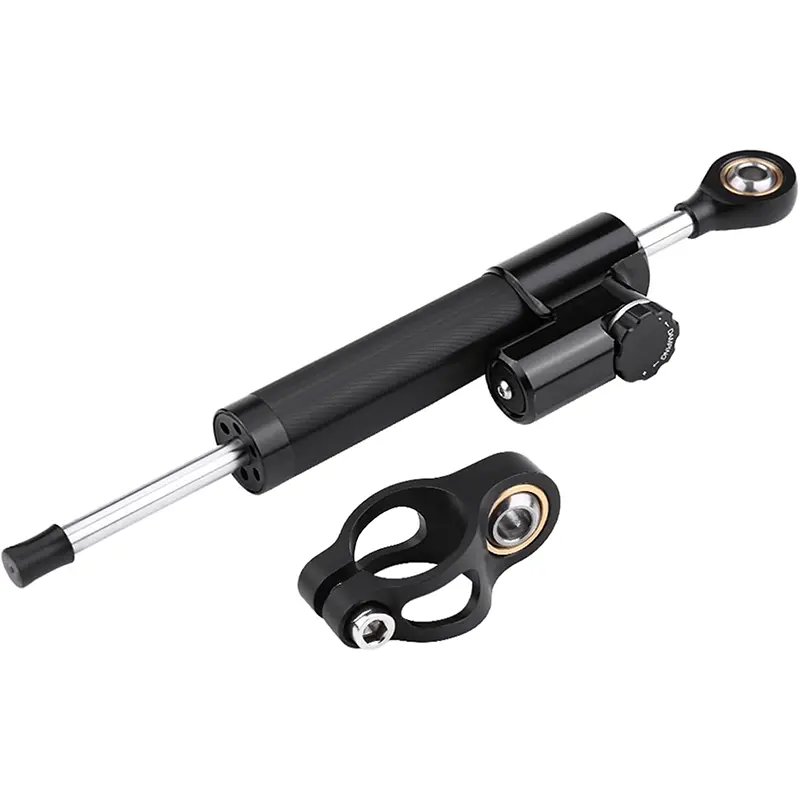
Common Symptoms of Worn Steering Head Bearings
| Symptom | What You Feel | Recommended Action |
|---|---|---|
| Notchy steering | Detents or clicks when turning handlebars lock‑to‑lock | Immediate inspection by a professional |
| Loose front end | Clunking sound when applying front brake or hitting bumps | Check bearing preload and replace if needed |
| Vibration or wobble | Handlebar shimmy at certain speeds (e.g., 30‑50 mph) | Diagnose bearing wear and replace with Ai Cheng parts |
| Poor tracking | Bike drifts or resists straight‑line stability | Inspect bearings for pitting or brinelling |
| Uneven tire wear | Excessive cupping or scalloping on front tire | Combine bearing replacement with front end alignment |
These signs indicate that critical Motorcycle Steering Parts have reached the end of their service life. Ignoring them leads to dangerous riding conditions and accelerated wear on other chassis components.
Why Steering Head Bearings Fail
-
Corrosion from water ingress (poor seals)
-
Brinelling from hard impacts (potholes, curbs)
-
Fatigue after high mileage (typically 20,000‑40,000 miles)
-
Incorrect preload adjustment during previous service
Using premium Motorcycle Steering Parts like those from Ai Cheng extends replacement intervals and ensures consistent steering feel.
Motorcycle Steering Parts – FAQ Common Questions
Q1: How can I check my steering head bearings without special tools?
A1: Place the motorcycle on a front stand or have an assistant lift the front wheel off the ground. Turn the handlebars slowly from full left to full right. Feel for any notchiness, grinding, or roughness. Then, with the front wheel straight, push and pull the forks forward and backward. Excessive play or a clunking sound confirms worn bearings. For a definitive test, use a steering stem pull‑scale; readings below the service manual’s spec indicate improper preload or bearing failure.
Q2: Can worn steering head bearings cause a speed wobble or tankslapping?
A2: Yes. Loose or pitted bearings allow uncontrolled lateral movement of the fork assembly. During acceleration, braking, or on uneven pavement, this slack can amplify into a high‑frequency oscillation (wobble) or violent tank slapper. Worn bearings are one of the top mechanical causes of these dangerous events. Replacing them with Ai Cheng Motorcycle Steering Parts restores damping and geometric stability, eliminating most mid‑speed head shakes.
Q3: How often should steering head bearings be replaced on a sportbike vs. a cruiser?
A3: Sportbikes (with steeper rake and more aggressive braking) typically need bearing replacement every 15,000–25,000 miles. Cruisers and touring bikes under moderate use may go 30,000–50,000 miles. However, any bike exposed to rain, pressure washing, or heavy loads requires more frequent inspection. Always replace bearings when servicing the front suspension or after a front‑end crash. Ai Cheng offers application‑specific kits that match OEM geometry for both sport and cruiser models.
When Replacement Is Inevitable
If you experience any sign from the table above, do not lubricate or adjust as a long‑term fix. Worn races and rollers create permanent damage that only new Motorcycle Steering Parts can cure. Ai Cheng steering head bearing kits include precision‑ground races, tapered roller bearings, and high‑quality seals, ensuring plug‑and‑play installation without shimming.
Take Action Today
Your safety depends on every component in the steering chain. Do not ride with compromised Motorcycle Steering Parts. Contact us now for expert advice, replacement kits, or installation support – Ai Cheng delivers reliability mile after mile.