

How to Troubleshoot Common Problems with a Standard Servo Motor
2026-01-23
A Standard Servo is the workhorse of countless robotics, RC, and DIY electronics projects. But when it suddenly stops responding, jitters, or lacks power, it can bring your entire creation to a halt. As your partner in precision motion, Flash Hobby is here to guide you through systematic troubleshooting to get your project back on track. Understanding and fixing these issues not only saves time and money but also deepens your knowledge of how these essential components function.
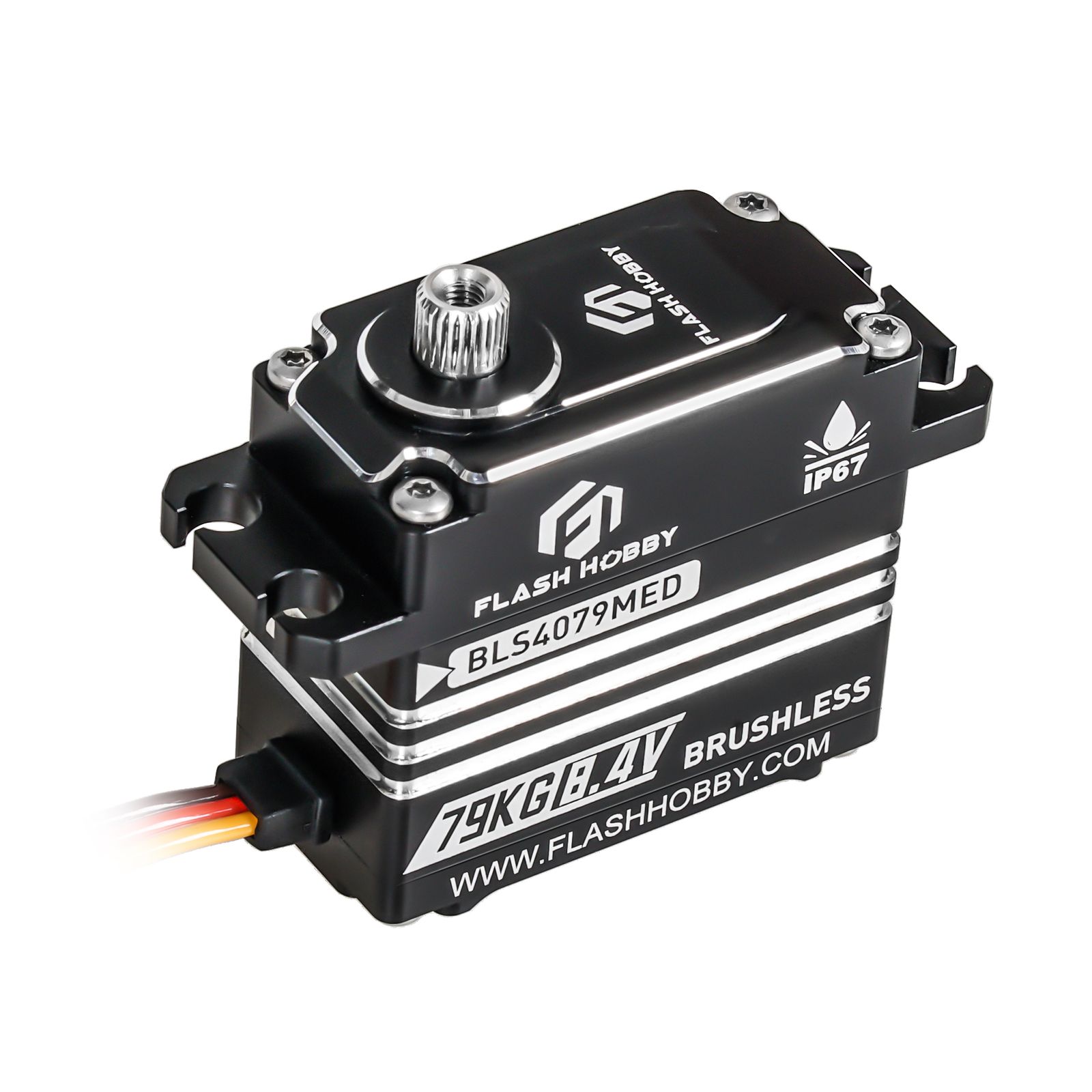
Step-by-Step Troubleshooting Guide
Follow this logical sequence to diagnose your Standard Servo issue:
-
Check Power and Connections: This is the most common culprit.
-
Verify your power supply (e.g., battery, BEC) provides a stable voltage (typically 4.8V-6.0V) and sufficient current (≥1A).
-
Inspect all wires and connectors for frays, breaks, or loose connections. Re-solder if necessary.
-
-
Inspect the Signal Source: The problem might not be the servo itself.
-
Ensure your microcontroller (Arduino, Raspberry Pi) or receiver is functioning correctly.
-
Confirm the signal pin is connected properly and the code is generating the correct Pulse Width Modulation (PWM) signal.
-
-
Diagnose Physical and Mechanical Issues:
-
Gear Damage: Manually rotate the output horn. Grinding, stiffness, or free-spinning indicates stripped internal gears—a common issue if the servo was overloaded or jammed.
-
Motor Burnout: Smell for a distinct burnt odor. An overheated or stalled motor can burn out, causing the servo to draw excessive current and become unresponsive.
-
Common Standard Servo Symptoms & Likely Causes
| Symptom | Possible Cause | Flash Hobby Recommendation |
|---|---|---|
| Servo does not move at all | No power, broken wire, faulty signal, or completely burnt motor. | Check voltage with a multimeter. Test with a known-good signal source. |
| Servo jitters or vibrates | Unstable power supply, electrical noise, or bad potentiometer. | Add a capacitor (47-100µF) across power wires near the servo. Shield signal wires. |
| Servo moves slowly or lacks torque | Undervoltage, binding mechanical load, or worn-out motor. | Upgrade power supply. Ensure your mechanism moves freely by hand. |
| Servo only moves in one direction | Faulty potentiometer or damaged control circuit. | The servo likely needs replacement. |
Standard Servo FAQ
Q: Can I run a 6V Standard Servo on 5V?
A: Yes, most 6V-rated servos will operate at 5V, but you will experience a reduction in both speed and maximum torque. Always check your specific servo's datasheet for its operational voltage range to avoid damage.
Q: Why does my Standard Servo get very hot even when not moving?
A: This is often a sign of stalling. If the servo’s output horn is prevented from reaching its commanded position (by a physical obstruction or excessive load), the motor draws maximum current to try and move, generating heat. This can quickly damage the servo. Always ensure your mechanism is free from jams.
Q: How can I prevent gear stripping in my Standard Servo?
A: Use a servo saver or a shock-absorbing horn in high-impact applications (like RC car steering). Avoid setting physical end stops that force the servo to push beyond its mechanical limits. For projects requiring high durability, consider Flash Hobby’s metal-gear servo variants.
Get Expert Support from Flash Hobby
Troubleshooting is a vital skill, but sometimes you need a reliable replacement or expert advice. For over a decade, Flash Hobby has been a trusted source for high-quality Standard Servo motors, gears, and accessories. Our products are built for performance and durability to withstand the demands of your most ambitious projects.
Contact us today through our website's support portal if you have persistent issues or need a recommendation for your specific application. Let our expertise help you move forward with confidence.