

How to Calculate Fixed Wing Motor Power and Thrust Requirements
2025-12-30
Selecting the correct Fixed Wing Motor is a fundamental step in designing an efficient and high-performing RC aircraft. An underpowered motor leads to poor performance, while an overpowered one wastes battery life and adds unnecessary weight. This guide will walk you through the essential calculations to match your airframe with the perfect propulsion system, ensuring your project soars. At Flash Hobby, we provide the components and expertise to bring your designs to life with precision and reliability.
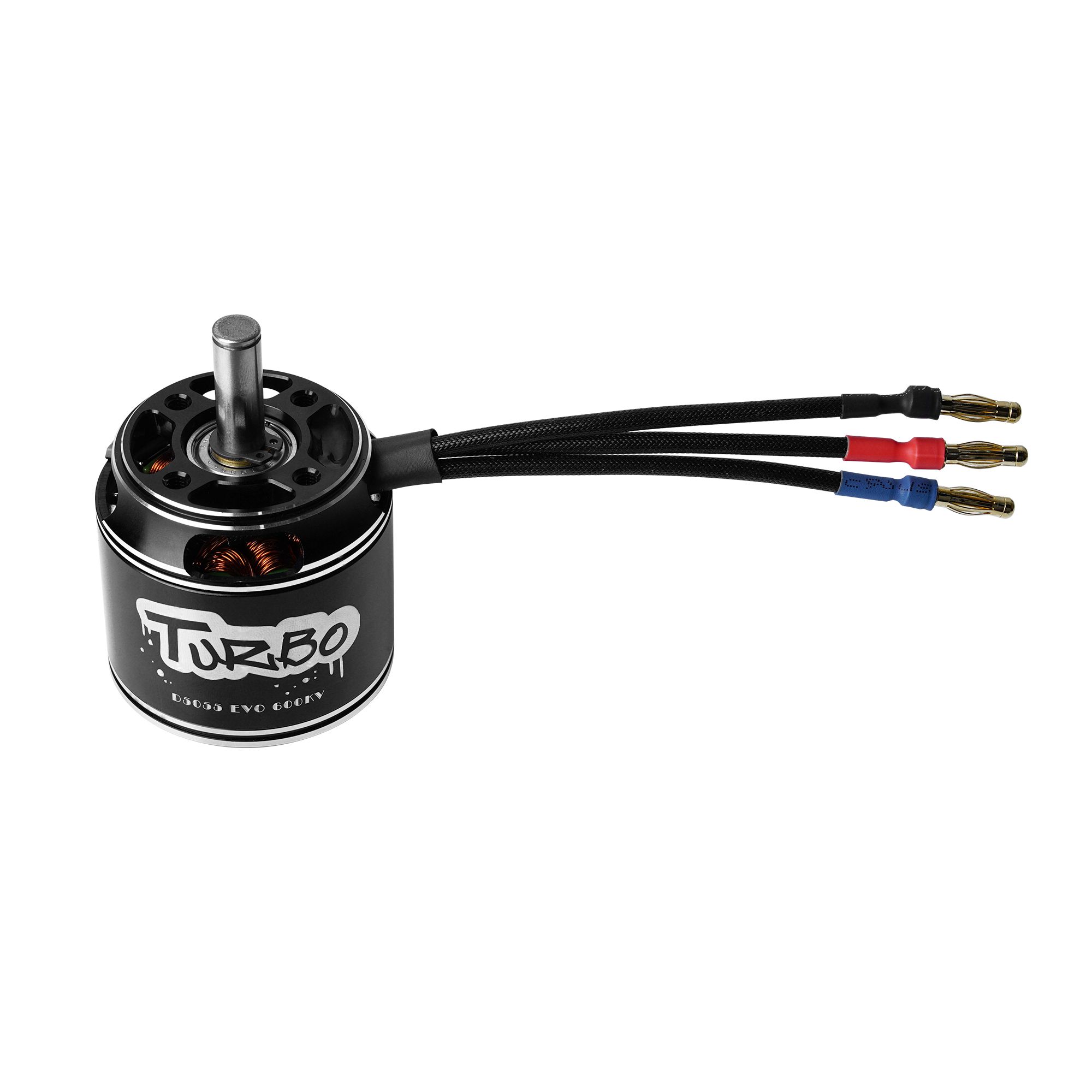
Key Factors in Motor Sizing
Before calculating, gather these core parameters about your aircraft:
-
All-Up Weight (AUW): The total takeoff weight (airframe, motor, battery, electronics).
-
Wing Loading: Weight divided by wing area (affects stall speed and required thrust).
-
Desired Flight Performance: Are you building a slow cruiser, aerobatic model, or long-endurance FPV platform?
-
Aircraft Type: High-wing trainer, sleek glider, or fast delta wing?
The Calculation Process
A standard approach involves two main metrics: Thrust-to-Weight Ratio (T/W) and Wattage per Pound (W/lb).
-
Determine Required Thrust: A good baseline for most fixed-wing models is a thrust-to-weight ratio of 0.5:1 to 0.8:1 for scale-like flight. For aggressive aerobatics or steep climbs, aim for 1:1 or greater.
-
Formula: Required Thrust = Aircraft AUW (in grams or ounces) × Desired T/W Ratio.
-
-
Calculate Power Needs: Electrical power (Watts) correlates strongly with performance.
-
General Guidelines:
-
50-70 Watts/lb: Sedate, lightweight flyers.
-
70-100 Watts/lb: Sporty performance and mild aerobatics.
-
100-150+ Watts/lb: High-speed or aggressive 3D aerobatics.
-
-
Formula: Required Power (Watts) = Aircraft AUW (in lbs) × Target W/lb.
-
Practical Application Table
Here is a simplified reference table for a typical sport model:
| Aircraft AUW | Desired Performance | Target Thrust (T/W 0.7:1) | Target Power (100 W/lb) | Recommended Flash Hobby Motor Series |
|---|---|---|---|---|
| 2.0 lbs (907g) | Sport Aerobatics | 1.4 lbs (635g) | 200 Watts | Flash Hobby Aerostar 2830 Brushless |
| 3.5 lbs (1588g) | FPV / Endurance | 2.45 lbs (1111g) | 350 Watts | Flash Hobby Aerostar 3520 Brushless |
| 5.0 lbs (2268g) | Heavy Payload | 3.5 lbs (1588g) | 500 Watts | Flash Hobby PowerThrust 4120 Brushless |
Remember: These calculations provide a starting point. Always consider propeller size and battery voltage (cell count), as they directly impact the final thrust and current draw of your Fixed Wing Motor system.
Fixed Wing Motor FAQ
Q: Can I use a motor with a higher KV than recommended if I use a smaller propeller?
A: Potentially, but with caveats. A higher KV motor spins faster per volt. While a smaller prop may keep current in check, it often produces less static thrust, which can harm low-speed and takeoff performance. It's generally more efficient to select a motor KV that matches the preferred propeller size for your airframe's wing loading and speed range.
Q: How critical is motor cooling for fixed-wing aircraft?
A: Extremely critical. Unlike multirotors, fixed-wing planes often have less airflow over the motor during slow flight or climbs. Overheating degrades magnets and insulation, leading to permanent power loss. Ensure your motor mount allows for adequate airflow. Flash Hobby motors are designed with efficient cooling vents, but proper installation in an airframe with ventilation paths is essential for longevity.
Q: What does the "S" rating mean on LiPo batteries, and how does it affect motor choice?
A: The "S" indicates the number of cells in series (e.g., 3S = 11.1V nominal, 4S = 14.8V). Voltage directly impacts motor RPM (RPM = KV × Voltage) and power output. A motor rated for 3-4S will draw more current and produce significantly more power on 4S than on 3S. Always match your Fixed Wing Motor KV and propeller choice to your intended battery voltage to stay within the motor's and ESC's current specifications.
Selecting the right propulsion system doesn't have to be a complex guesswork exercise. By following these fundamental principles, you can make informed decisions for a successful build. For personalized advice on matching a Flash Hobby motor, propeller, and ESC combo to your specific project, our technical team is ready to assist. Contact us today with your aircraft specifications, and let's power your next aviation adventure together.