Article Summary
Energy consumption has become one of the biggest challenges for modern industries.
Motors are widely used in manufacturing equipment, pumps, fans, compressors, automation systems, and many other applications, making their efficiency directly connected with operational costs and environmental impact.
A High Efficiency Motor provides an advanced solution by reducing energy waste, improving reliability, and delivering stable performance under demanding industrial conditions.
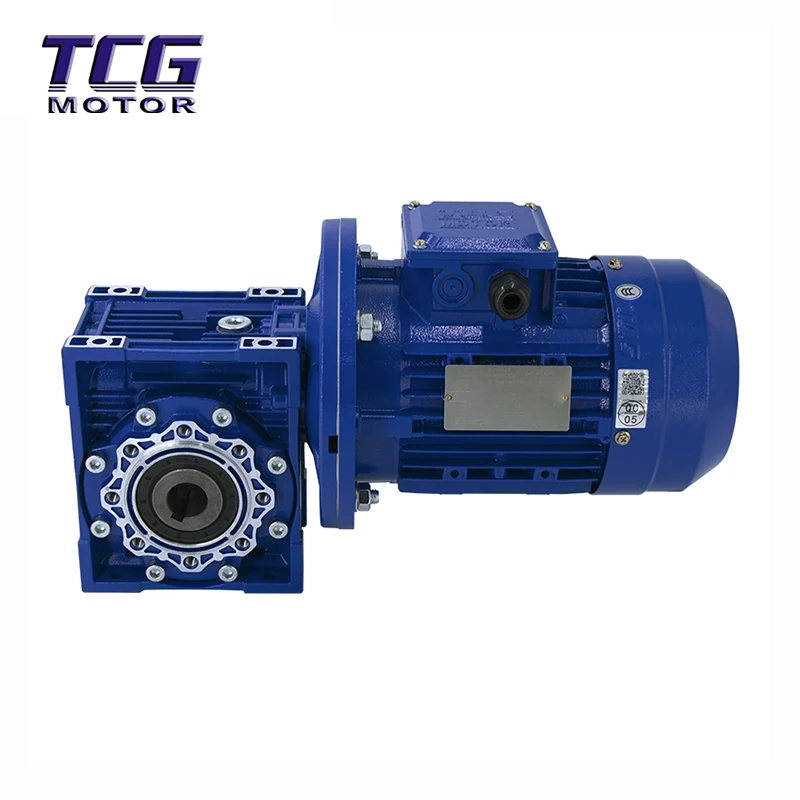
This article explains how High Efficiency Motors work, why they are important for industrial users, what problems they solve, and how businesses can select the right motor solution.
With professional manufacturing experience, Heshan Hengfu provides reliable motor products designed to help customers achieve better energy utilization and long-term operating benefits.
Article Outline
-
Understanding the role of energy-efficient motors in industrial operations
-
Explaining the operating principles behind High Efficiency Motors
-
Analyzing performance benefits and cost-saving advantages
-
Identifying industrial challenges that efficient motors can solve
-
Choosing and maintaining the most suitable motor solution
Why Are High Efficiency Motors Important for Modern Industries?
Industrial facilities depend on electric motors for continuous operation. From production lines to ventilation systems, motors often represent a significant percentage of total electricity consumption. Traditional motors may lose energy through heat generation, electrical resistance, friction, and inefficient mechanical design.
A High Efficiency Motor is designed to minimize these energy losses while maintaining strong output performance. By using optimized electromagnetic structures, improved materials, and advanced manufacturing processes, these motors convert more electrical energy into useful mechanical power.
For manufacturers facing increasing electricity costs and stricter environmental requirements, upgrading to efficient motors can create measurable improvements. Reduced power consumption, lower maintenance frequency, and extended service life make these motors a valuable investment for long-term industrial development.
How Does a High Efficiency Motor Work?
A High Efficiency Motor operates based on the same basic electromagnetic principles as conventional motors, but its internal structure is optimized to improve energy conversion efficiency.
When electrical current passes through the motor windings, a magnetic field is generated. This magnetic field interacts with the rotor to create rotational movement. During this process, some energy is normally lost as heat, vibration, and mechanical resistance. High Efficiency Motors reduce these losses through improved design.
-
Optimized magnetic circuits: Reduce unnecessary magnetic losses and improve power conversion.
-
High-quality electrical materials: Improve conductivity and decrease energy waste.
-
Precision manufacturing: Ensures better component matching and stable operation.
-
Advanced cooling structures: Help maintain suitable operating temperatures.
-
Low-loss bearings: Reduce mechanical friction during continuous operation.
Through these improvements, a High Efficiency Motor can deliver the required mechanical power while consuming less electricity compared with standard motor models.
What Advantages Does a High Efficiency Motor Provide?
Choosing a High Efficiency Motor can bring multiple benefits for industrial users. These advantages are especially important for companies operating equipment for long hours every day.
-
Lower Energy Costs: Improved efficiency means less electricity is wasted during operation, helping companies reduce monthly energy expenses.
-
Higher Operational Reliability: Better thermal management and stronger components support stable performance in demanding environments.
-
Longer Service Life: Reduced heat generation helps protect internal parts and extends motor durability.
-
Improved Production Stability: Reliable motor performance reduces unexpected shutdown risks.
-
Environmental Benefits: Lower energy consumption contributes to reduced carbon emissions.
For businesses looking to improve productivity while controlling operating expenses, selecting efficient motor technology is an effective strategy.
What Industrial Problems Can a High Efficiency Motor Solve?
Many industrial users experience similar challenges when operating conventional motors. These problems can affect production efficiency and increase operational pressure.
-
High Electricity Consumption: Older motors may require more power to produce the same output, increasing operating costs.
-
Frequent Maintenance Requirements: Excessive heat and mechanical stress can shorten component lifespan.
-
Unstable Performance: Poor motor efficiency may influence equipment consistency.
-
Rising Production Costs: Energy waste directly impacts overall manufacturing expenses.
-
Difficulty Meeting Sustainability Goals: Inefficient equipment can increase environmental impact.
A properly selected High Efficiency Motor helps solve these challenges by improving energy utilization and supporting more reliable industrial operations.
How to Select the Right High Efficiency Motor?
Selecting the correct motor requires careful consideration of application requirements. A motor that matches the working environment and equipment specifications will provide better performance and longer service life.
-
Power Rating: Choose a motor with suitable output capacity for the equipment load.
-
Operating Speed: Confirm whether the motor speed matches the mechanical system.
-
Working Environment: Consider temperature, humidity, dust, and installation conditions.
-
Energy Requirements: Evaluate efficiency levels and expected energy savings.
-
Product Quality: Select manufacturers with professional production capabilities and reliable quality control.
Heshan Hengfu focuses on providing dependable motor solutions that meet different industrial requirements. Through professional design and manufacturing processes, the company helps customers improve equipment efficiency and operational reliability.
Where Are High Efficiency Motors Commonly Used?
High Efficiency Motors are widely applied across many industries because of their excellent energy-saving performance and stable operation.
-
Manufacturing production equipment
-
Industrial pumps and water treatment systems
-
Ventilation and air conditioning equipment
-
Compressors and processing machinery
-
Automation and smart factory systems
-
Agricultural and commercial equipment
As industries continue moving toward intelligent and sustainable production, efficient motor technology plays an increasingly important role in improving overall system performance.
How to Maintain a High Efficiency Motor for Better Performance?
Even advanced motors require proper maintenance to achieve their expected lifespan. Regular inspection and correct operation can prevent performance problems.
-
Check motor temperature regularly to prevent overheating.
-
Inspect bearings and lubrication conditions.
-
Keep ventilation channels clean and unobstructed.
-
Monitor vibration levels to identify possible mechanical issues.
-
Ensure electrical connections remain secure.
-
Follow manufacturer maintenance recommendations.
Proper maintenance not only protects the motor but also helps maintain consistent energy efficiency throughout its service period.
Frequently Asked Questions About High Efficiency Motors
Q1: What makes a High Efficiency Motor different from a standard motor?
A High Efficiency Motor uses improved materials, optimized design structures, and advanced manufacturing technology to reduce energy losses and achieve better power conversion efficiency.
Q2: Can a High Efficiency Motor reduce operating costs?
Yes. Because these motors consume less electricity while producing the required mechanical output, they can help reduce long-term energy expenses.
Q3: Are High Efficiency Motors suitable for continuous operation?
Yes. Many industrial High Efficiency Motors are designed for long working cycles and demanding applications where reliability is essential.
Q4: How long can a High Efficiency Motor operate?
The service life depends on operating conditions, maintenance practices, and workload. Proper installation and regular maintenance can significantly extend operating life.
Q5: Why choose Heshan Hengfu for High Efficiency Motor solutions?
Heshan Hengfu provides professionally designed motor products with attention to efficiency, reliability, and industrial application requirements, helping customers achieve stable and economical operation.
Conclusion
A High Efficiency Motor is an important solution for industries seeking lower energy consumption, improved reliability, and better operational performance. By reducing energy waste and optimizing mechanical output, these motors help businesses create more efficient production systems.
With professional manufacturing experience and a commitment to quality, Heshan Hengfu delivers reliable motor solutions designed for various industrial applications. If you are looking for a dependable High Efficiency Motor to improve your equipment performance and reduce operating costs, contact us today for professional support and customized solutions.