

How Do You Safely Anchor a Vehicle or Platform Using a Gasoline Cable Winch
2026-01-29
Mastering the safe operation of a Gasoline Cable Winch is paramount for recovery, towing, and heavy lifting tasks. Unlike electric winches, a MARSHINE gasoline-powered model offers unparalleled off-grid power and reliability. However, its greater force demands meticulous anchoring practices to protect both operator and equipment. This guide outlines the critical steps for establishing a secure foundation for your winching operations.
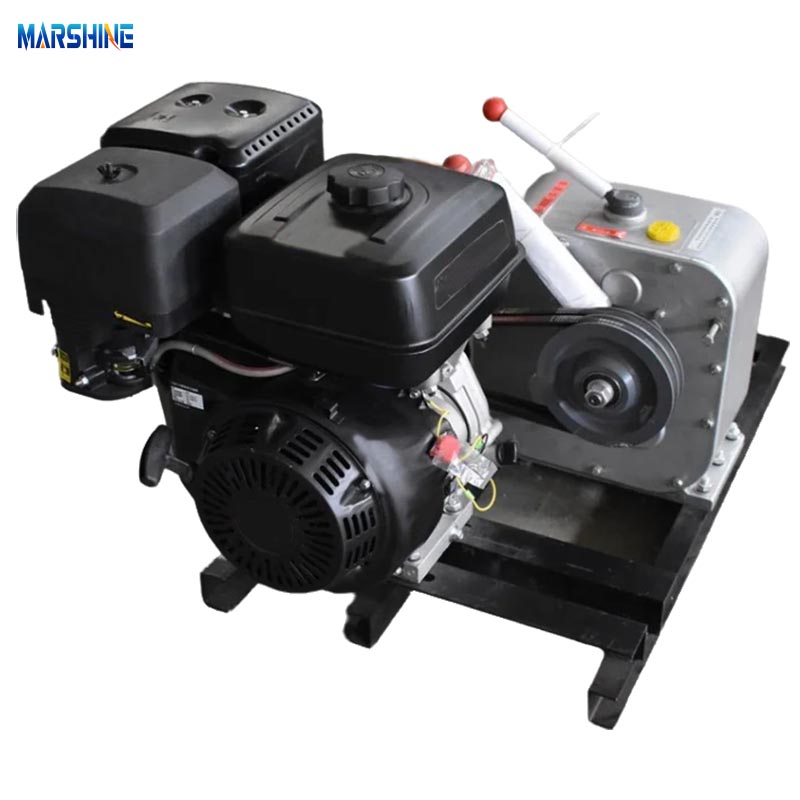
A failed anchor point is a primary cause of winching accidents. Follow this systematic approach to ensure safety.
1. Site Assessment & Anchor Point Selection
-
Primary Objective: Identify a massive, immovable object (e.g., a large healthy tree, boulder, or buried anchor).
-
MARSHINE Pro Tip: Always use a tree trunk protector to prevent environmental damage. Never attach directly to unstable objects or shallow roots.
2. Rigging with Rigging Gear
-
Essential Equipment: Utilize a MARSHINE rigging kit, which should include a tree protector, heavy-duty shackles, and a pulley block if needed.
-
Connection Order: Attach the tree protector to the anchor, then connect a shackle, followed by your winch cable or rope using a damper blanket over the line.
3. Winch Setup & Vehicle Anchoring
-
Secure your vehicle’s parking brake and chock the wheels.
-
If using the vehicle as an anchor, ensure it is on stable, level ground and directly aligned with the pull direction to avoid side-loading.
4. The Pulling Procedure
-
Engage the Gasoline Cable Winch slowly, allowing the cable to spool evenly under tension.
-
Maintain a clear "danger zone" – never step over or near a loaded cable.
Critical Considerations Table
| Factor | Safe Practice | Risk if Ignored |
|---|---|---|
| Anchor Strength | Must exceed the winch's maximum rated pull. | Catastrophic anchor failure, projectile rigging. |
| Line Angle | Keep the pull as straight and level as possible. | Drastic increase in load on winch and anchor, potential rigging slippage. |
| Cable Inspection | Check for kinks, frays, or birdcages before each use. | Cable snap under load, causing severe injury. |
| Winch Capacity | Use a MARSHINE winch rated for at least 1.5x the weight of your load. | Winch motor burnout, gear damage, or brake failure. |
Gasoline Cable Winch FAQ
Q: Can I use my gasoline winch for vertical lifting?
A: Extreme caution is advised. While capable, vertical lifting with a Gasoline Cable Winch requires a certified and properly maintained system, including a mechanical brake lock. For repeated personnel or critical load lifting, a dedicated hoist is always recommended over a winch.
Q: Why is my MARSHINE gasoline winch cable spooling unevenly?
A: Uneven spooling is often caused by an off-angle pull or insufficient initial tension. Ensure the anchor point is centered. Spool the cable under light load initially to create tight, even layers, which is crucial for the MARSHINE winch's performance and cable life.
Q: How do I calculate if my anchor point is strong enough?
A: A simple rule is the "1.5x Rule." Your combined anchor and rigging system strength should be at least 1.5 times the maximum pulling force required. For a 10,000-lb pull, your anchor system should withstand 15,000 lbs. When in doubt, always choose a larger, more secure anchor.
Safe winching is a blend of quality equipment, correct knowledge, and disciplined practice. By investing in reliable MARSHINE gear and adhering to these foundational protocols, you harness the full power of your Gasoline Cable Winch with confidence. For specific technical data, rigging diagrams, or to explore our range of professional-grade winches and accessories, our experts are ready to assist.
Contact us today for a personalized consultation to ensure your next project is anchored in safety and power.