

How Can a Compact Medium-Sized Reducer Improve Mechanical Transmission Efficiency?
2026-11-10
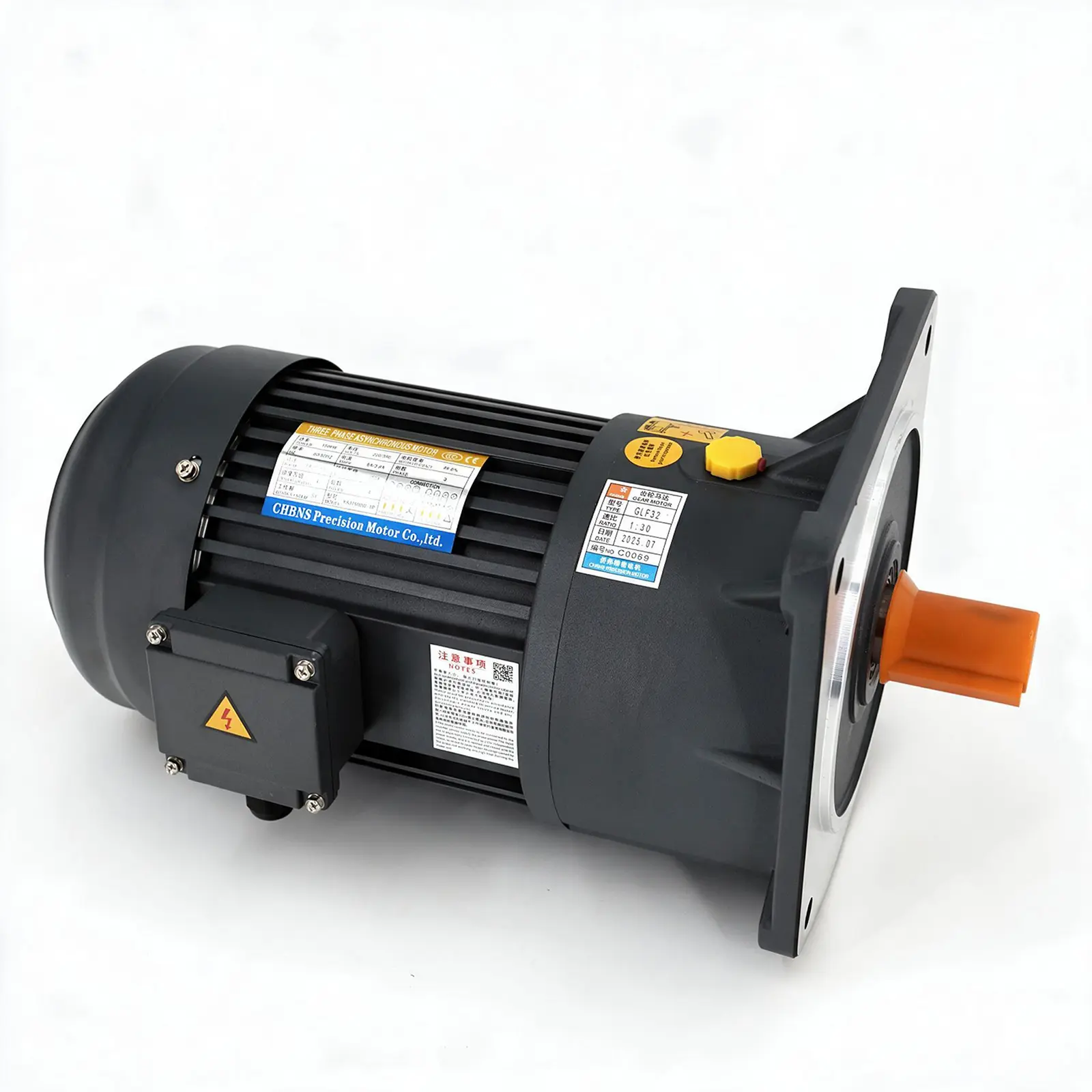
In modern industrial manufacturing, equipment designers are constantly looking for ways to improve transmission efficiency while reducing installation space and operational complexity. A Compact Medium-Sized Reducer offers a practical solution by combining a space-conscious structure with reliable speed reduction and torque transmission. It helps machinery achieve more controlled movement, stable operation, and efficient power delivery across different industrial applications. For manufacturers seeking a balance between equipment size, performance, and integration flexibility, choosing the right reducer is an important step in optimizing overall machine design.
1. What Makes a Compact Medium-Sized Reducer Important?
A reducer is a mechanical transmission component that adjusts the rotational speed and output torque between a motor and the driven equipment. By reducing input speed, it can provide the torque required for specific operating conditions.
A Compact Medium-Sized Reducer is particularly valuable when equipment requires a practical combination of compact installation dimensions and sufficient transmission capacity.
Its importance can be understood through several key functions:
-
Speed Regulation: Reduces motor speed to match the operating requirements of connected machinery.
-
Torque Transmission: Helps deliver suitable output torque for mechanical loads.
-
Space Optimization: Supports equipment layouts where installation space is limited.
-
Operational Stability: Contributes to controlled motion and consistent mechanical performance.
-
System Integration: Provides a connection between the motor and working mechanism.
These functions make reducers essential components in industrial equipment where accurate power transmission and dependable operation are required.
2. Key Advantages of a Compact Medium-Sized Reducer
Selecting a suitable reducer involves more than considering its physical dimensions. Buyers should also evaluate transmission performance, installation requirements, and long-term operating conditions.
2.1 Space-Efficient Mechanical Design
A compact structure helps manufacturers optimize internal equipment layouts. It can reduce the space occupied by the transmission system and provide greater flexibility when designing machinery with limited installation areas.
2.2 Balanced Transmission Performance
A properly selected reducer helps match motor speed and output torque with the actual requirements of the equipment. This balance supports smoother mechanical movement and helps avoid unnecessary operating loads.
2.3 Flexible Equipment Integration
Medium-sized reducers can be considered for machinery that requires a balance between installation dimensions and transmission requirements. Their suitability depends on the specific design, mounting configuration, and operating conditions.
2.4 Support for Long-Term Operation
Appropriate reducer selection, correct installation, and regular maintenance all contribute to stable equipment operation. These factors can help reduce unexpected downtime and support more predictable maintenance planning.
3. Where Can a Compact Medium-Sized Reducer Be Used?
The application of a Compact Medium-Sized Reducer depends on its transmission structure, rated torque, reduction ratio, and operating environment.
Common industrial application areas include:
| Application | Main Transmission Requirements |
|---|---|
| Packaging Machinery | Controlled movement and consistent operating speed |
| Material Handling Equipment | Suitable torque for load transportation |
| Industrial Automation | Reliable power transmission and motion control |
| Conveyor Systems | Stable speed reduction and continuous operation |
| Production Equipment | Efficient motor-to-machine power transmission |
| Mechanical Processing | Appropriate output speed and torque matching |
For equipment manufacturers, selecting a reducer according to actual working conditions is essential. Factors such as load characteristics, operating frequency, installation position, and required output speed should be evaluated before making a purchasing decision.
4. How to Select the Right Compact Medium-Sized Reducer?
Choosing the right reducer can directly influence equipment performance and overall system efficiency. Industrial buyers should consider the following factors:
-
Reduction Ratio: Determine the required output speed according to the motor speed and equipment operating requirements.
-
Rated Output Torque: Ensure that the reducer can handle the expected working load.
-
Installation Dimensions: Check mounting dimensions and available installation space.
-
Operating Conditions: Consider working hours, load variations, environmental conditions, and operating frequency.
-
Transmission Efficiency: Evaluate whether the reducer's transmission performance meets the application's requirements.
-
Maintenance Requirements: Consider accessibility, lubrication requirements, and long-term maintenance arrangements.
A systematic evaluation helps buyers avoid mismatched specifications and select a transmission solution that supports their equipment design.
5. Why Work with Zhejiang Qiaobang Precision Machine Co., Ltd.?
For industrial equipment manufacturers, finding a suitable transmission component supplier is an important part of building a reliable supply chain.
Zhejiang Qiaobang Precision Machine Co., Ltd. is positioned in the precision machinery sector, where product suitability, manufacturing considerations, and practical application requirements are important factors in serving industrial customers.
When evaluating a Compact Medium-Sized Reducer, buyers should look beyond the product name and consider the supplier's understanding of mechanical transmission requirements, product specifications, quality considerations, and technical communication.
A professional supplier relationship can help purchasing teams clarify application needs, compare suitable configurations, and make more informed sourcing decisions.
By focusing on the relationship between reducer performance and actual equipment requirements, industrial buyers can build a more appropriate foundation for their mechanical transmission systems.
6. Make a More Informed Reducer Purchasing Decision
A Compact Medium-Sized Reducer is more than a speed-reduction component. It plays an important role in coordinating motor output, managing mechanical loads, and supporting the overall performance of industrial equipment.
Before placing an order, buyers should confirm the required reduction ratio, output torque, mounting dimensions, and operating environment. Matching these specifications with the intended application can help improve equipment compatibility and reduce unnecessary engineering adjustments.
Whether you are developing new machinery, upgrading an existing transmission system, or sourcing components for industrial production, choosing the right reducer is essential.
Looking for a suitable Compact Medium-Sized Reducer for your industrial application? Contact Zhejiang Qiaobang Precision Machine Co., Ltd. to discuss your requirements and explore suitable precision machinery solutions for your project.