

Are You Still Struggling with Motor Startup Problems Without a Reliable Soft Starter?
2026-02-27
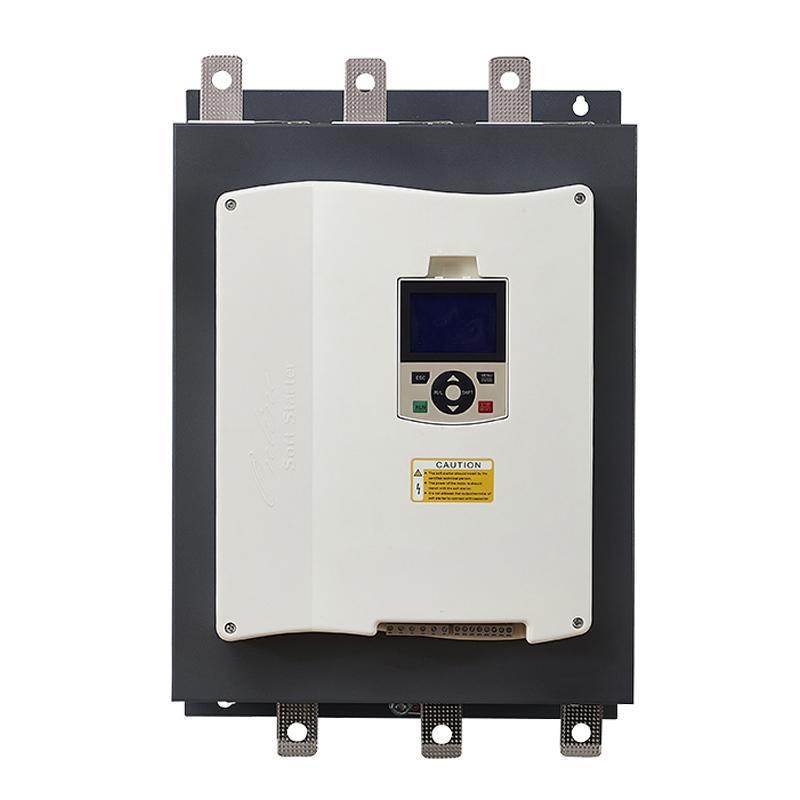
When I first began working closely with industrial motor control solutions, I noticed how many manufacturers underestimated the long-term impact of poor motor starting methods. Over time, as Wenzhou Xinkong Imp&exp Co.,Ltd. gradually expanded its product portfolio to meet the changing demands of global industrial users, we naturally introduced and refined our Soft Starter solutions to address real operational pain points. Today, I often discuss with clients how choosing the right Soft Starter can dramatically improve equipment lifespan, reduce downtime, and optimize overall system efficiency.
Why Do Traditional Motor Starting Methods Create Hidden Costs?
I have seen countless factories relying on direct-on-line starting, only to face repeated maintenance issues. The problem is not obvious on day one, but it accumulates quickly. When a motor starts abruptly, it generates high inrush current and mechanical shock. That sudden stress affects:
- Gearboxes and belts
- Pumps and compressors
- Power supply stability
- Long-term energy consumption
Without a proper Soft Starter, motors can draw six to eight times their rated current during startup. This not only strains the electrical network but also shortens equipment life. From my experience, many clients only consider a solution after facing repeated failures. I prefer helping them prevent those problems before they occur.
How Does a Soft Starter Actually Protect Your Equipment?
A Soft Starter works by gradually increasing voltage to the motor during startup. Instead of a sudden electrical surge, the motor accelerates smoothly. This controlled ramp-up significantly reduces mechanical and electrical stress.
When I evaluate systems for customers, I typically focus on three key benefits:
- Reduced starting current and minimized voltage dips
- Smooth acceleration to prevent mechanical shock
- Programmable parameters for different load conditions
By integrating a high-quality Soft Starter, I have seen production lines operate more quietly and reliably. Pump systems experience less water hammer, conveyor systems avoid sudden jerks, and compressors run with greater stability.
Which Industries Benefit Most from Using a Soft Starter?
From water treatment facilities to heavy manufacturing plants, the applications are broad. In my daily work, I commonly support customers from the following sectors:
- Water and wastewater treatment
- HVAC systems
- Mining and metallurgy
- Oil and gas facilities
- Food processing plants
In pump-heavy industries, for example, a Soft Starter helps prevent pipeline pressure shocks. In conveyor-based manufacturing, it ensures gradual material movement and reduces belt wear. The adaptability of a modern Soft Starter makes it suitable for both light-duty and heavy-duty applications.
What Technical Features Should You Compare Before Choosing?
I always recommend comparing specifications carefully instead of focusing solely on price. Below is a simplified technical comparison that I typically review with clients:
| Feature | Standard Starting | Soft Starter Solution |
| Starting Current | 6-8x rated current | 2-4x rated current (adjustable) |
| Mechanical Stress | High impact | Smooth acceleration |
| Energy Efficiency | Lower control efficiency | Optimized startup consumption |
| Protection Functions | Limited | Overload, phase loss, overcurrent protection |
| Maintenance Cost | Higher over time | Reduced long-term cost |
When customers analyze these differences clearly, the value of a reliable Soft Starter becomes evident. It is not simply a control component; it is a preventive investment.
Can a Soft Starter Improve Operational Efficiency in the Long Term?
In my discussions with plant managers, efficiency is always a central topic. While a Soft Starter does not regulate speed like a frequency inverter, it significantly improves startup performance. By reducing stress and electrical disturbances, it lowers the frequency of maintenance shutdowns.
I have worked with clients who reported:
- Extended motor lifespan
- Reduced unexpected downtime
- Improved power factor stability
- Lower repair frequency for mechanical components
These improvements directly translate into financial savings. Over the course of a year, the return on investment becomes measurable.
What Should You Consider When Integrating a Soft Starter into Existing Systems?
Integration requires careful planning. I typically advise customers to review:
- Motor power rating and load type
- Grid capacity and voltage stability
- Environmental conditions such as temperature and dust
- Required protection levels and compliance standards
At Wenzhou Xinkong Imp&exp Co.,Ltd., we work closely with engineering teams to ensure each Soft Starter configuration matches the real operating environment. Instead of offering a one-size-fits-all model, we prioritize application-based recommendations. That approach reduces compatibility issues and ensures stable performance from day one.
Is It Time to Upgrade Your Motor Control Strategy?
If you are still experiencing voltage drops, mechanical shock, or repeated motor failures, upgrading to a high-performance Soft Starter may be the practical step forward. From my experience, the earlier companies adopt smoother starting solutions, the fewer operational disruptions they face.
I believe motor control should be proactive rather than reactive. By selecting the right Soft Starter, you create a safer, more reliable, and more efficient production environment.
If you would like to evaluate your system or receive tailored recommendations, I encourage you to contact us today. Share your motor specifications and project requirements, and let us help you design a solution that improves performance and protects your investment. We look forward to your inquiry and the opportunity to support your next project.