

Top Prefabricated Cabin Designs for Modern Living
2026-08-10
Imagine a home that arrives ready to inhabit, blending modern aesthetics with functional design. Prefabricated cabins are redefining contemporary living, and Chang Song leads with innovative, customizable solutions that connect you deeply with your surroundings.
Rethinking Home: The Rise of Prefab Cabins
For decades, the idea of a dream home was tied to permanence—a sprawling suburban house with a white picket fence. That vision is quietly unraveling. A growing number of people are turning to prefab cabins, drawn by a desire for simplicity, mobility, and a tighter connection to the outdoors. These aren’t the rickety, mass-produced boxes of the past; they’re thoughtfully engineered spaces that challenge our assumptions about what a home should be.
What makes the new wave of prefab cabins so compelling is their blend of efficiency and customization. Architects are using advanced manufacturing techniques to create structures that arrive on a flatbed truck and can be assembled in days, not months. Yet they offer a level of design flexibility that rivals traditional builds—floor-to-ceiling windows, lofted bedrooms, and materials like cedar and steel that age gracefully. It’s a rejection of excess, a bet that a smaller footprint can lead to a richer life.
Beyond the physical structure, there’s a cultural shift at play. Prefab cabins are becoming symbols of a lifestyle unshackled from clutter and convention. They pop up in remote forests, on rocky coastlines, or as backyard studios, each one a quiet statement about living deliberately. As housing costs soar and environmental concerns deepen, these cabins offer a path forward—not just a place to sleep, but a way to rethink the very meaning of home.
Design Features That Set Modern Cabins Apart
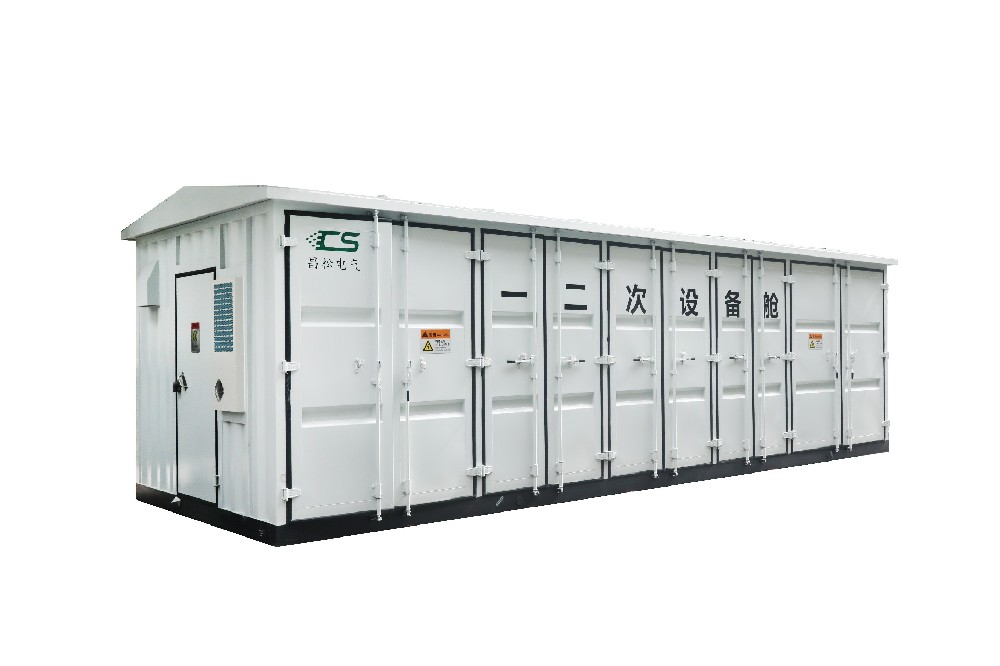
Clean lines and minimalist aesthetics shape the exterior, but it's the intentional blurring of boundaries that truly defines a modern cabin. Expansive glazing systems, often floor-to-ceiling, dissolve the barrier between shelter and wilderness, inviting natural light to sculpt the interiors by day and starlight to seep in at night. This transparency is paired with a muted material palette — think charred timber, raw concrete, and blackened steel — that anchors the structure to its site without competing with the landscape.
Inside, the layout pivots around flexibility and tactility. Open-plan living areas flow seamlessly into cozy nooks, with furniture that doubles as storage or transforms to adapt to different moods. Warm, textured surfaces like hand-hewn wood and wool felt soften the modern edges, while hidden tech — underfloor heating, induction cooktops, retractable lighting — maintains clutter-free calm. Every niche works hard: window seats conceal drawers, lofted beds perch above compact workspaces, and sliding partitions allow spaces to contract or expand.
Sustainability isn't just a buzzword here; it's woven into the design DNA. Green roofs mimic the surrounding ecosystem, solar arrays sit quietly off-grid, and rainwater harvesting systems blend into the facade. Materials are sourced locally and left to weather naturally, so the cabin ages gracefully within its environment. The result is a dwelling that feels less like an intrusion and more like a continuation of the land — a place where architecture and nature engage in an ongoing, respectful dialogue.
Sustainable Materials and Eco-Friendly Choices
Embracing sustainable materials means looking beyond the label and understanding the entire lifecycle of a product. From organic cotton that avoids harmful pesticides to recycled polyester spun from post-consumer plastic bottles, each material carries a unique story of resource conservation and reduced environmental impact. These choices aren't just about swapping one fiber for another; they represent a fundamental rethinking of how we source, manufacture, and eventually repurpose the things we use daily.
Eco-friendly choices often start with asking better questions. Is the material biodegradable or endlessly recyclable? Was it grown regeneratively, improving soil health rather than depleting it? Materials like Tencel, made from responsibly harvested wood pulp using a closed-loop process, or Piñatex, derived from pineapple leaf fibers, show how innovation can transform waste into desirable, functional alternatives. These options challenge the notion that sustainability requires sacrificing quality or aesthetics.
The shift toward eco-conscious materials also redefines our relationship with objects. Instead of chasing fast trends, we gravitate toward timeless pieces crafted to last, favoring natural patinas over disposable shine. When a product does reach the end of its use, a truly sustainable material system ensures it can safely return to the earth or re-enter the production cycle, leaving behind no toxic legacy. This circular mindset turns every purchase into a deliberate vote for the kind of world we want to live in.
Maximizing Space with Smart Layouts
A cramped room often stems from poor traffic flow rather than square footage alone. Rethinking how you move through a space can instantly make it feel larger. Pull furniture away from walls to create distinct zones, and let pathways guide the eye naturally. A floating sofa paired with a slim console behind it defines a living area without blocking sightlines. In compact kitchens, open shelving keeps essentials within reach while visually expanding the room, especially when lined against a single wall to avoid a boxed-in feel.
Vertical dimensions are overlooked goldmines. Tall bookcases, floor-to-ceiling curtains, and hanging planters draw the gaze upward, emphasizing height over width. In bedrooms, swapping a standard bed for a low-profile platform frame instantly adds perceived ceiling clearance. Use mirrors strategically—not just on walls, but on cabinet fronts or closet doors—to bounce light and double the visual depth. A tri-fold screen with a reflective surface can mask clutter while brightening a corner that might otherwise feel dead.
For multipurpose areas, think in layers rather than fixed assignments. A dining table on casters works as an extra prep station, then rolls aside when not in use. Under-stair nooks transform into reading coves with a shallow bench and wall sconces. Even tiny balconies benefit from fold-down tables and wall-mounted planters, freeing precious floor area. The trick is treating every surface as both functional and sculptural: a ledge becomes a display shelf, a radiator cover doubles as a landing strip for keys, and a windowsil deep enough to sit on eliminates the need for extra seating.
Customization: Making a Prefab Cabin Your Own
A prefab cabin arrives with clean lines and functional bones, but the real personality comes from what you layer on top. Start by swapping out standard hardware for vintage brass pulls or hand-forged iron handles—small touches that immediately shift the feel from generic to curated. Paint is another low-cost transformer: a deep forest green on the exterior helps the structure settle into its surroundings, while warm clay tones inside create a cocoon-like atmosphere that no factory finish can replicate.
Beyond finishes, consider how you use the space. The open-plan layout typical of prefab designs is an invitation to define zones your way. A wall of open shelving made from reclaimed timber can divide the sleeping area from the living space without closing anything off, displaying books and collected objects that tell your story. Custom-built window seats with hidden storage turn dead corners into favorite napping spots, and they cost far less than you'd expect if you sketch the plan yourself and hire a local carpenter.
The surrounding land is part of the canvas, too. Instead of a standard deck, try stepping stones that lead to a fire pit, or a gravel patio edged with native grasses that blur the line between built and natural. Add a hand-painted sign, a weather vane found at a flea market, or strings of outdoor lights in a pattern that means something to you—constellations, perhaps, or the initials of everyone who'll gather there. These details don't just customize the cabin; they weave it into the life you actually want to live there.
Integrating Indoor Comfort with Outdoor Living
Blurring the boundaries between indoors and out transforms a home into a seamless sanctuary. Large glass doors that fold completely away turn a living room into an open-air pavilion, allowing the rustle of leaves and the warmth of sunlight to become part of the daily rhythm. It's not just about access—it's about creating spaces where the plushness of interior furnishings meets the raw beauty of a garden or terrace.
Comfort thrives in the details, like using weather-resistant fabrics that mimic the softness of indoor upholstery or installing radiant heating beneath stone patios so barefoot evenings can stretch into cooler months. Overhead, retractable shades and subtle lighting let you tailor the atmosphere, transforming a deck into a living room under the stars. Thoughtful placement of greenery, perhaps a vertical garden beside a reading nook, keeps the connection to nature intimate and immediate.
The real craft lies in designing transitions that feel intuitive rather than forced. A kitchen counter that extends through a pass-through window becomes a bar on the patio, while the same rich wood flooring runs uninterrupted from dining area to porch. By echoing textures and scents—like the faint drift of jasmine from the pergola into the bedroom—the home breathes as one cohesive experience, making outdoor living a natural extension of daily comfort.
FAQ
They blend efficiency with design, cutting construction waste and time without sacrificing aesthetics. Most arrive partially assembled, so on-site work is minimal, and you can often customize layouts to fit your lifestyle.
Absolutely. Many manufacturers offer a range of floor plans and finish options—from sleek, flat-roof urban boxes to cozy A-frames with warm wood interiors. You can usually tweak window placements, cladding materials, and even add eco-friendly upgrades.
It varies by model and site, but many work on simple concrete piers or screw piles, which speeds things up and reduces ground disturbance. Some can even sit on a full basement if you want extra space.
They’re built to handle tough climates. Tight seals, advanced insulation, and engineered framing mean they often outperform stick-built homes in wind and snow loads. Just make sure you choose a design rated for your local conditions.
Yes, and it’s a popular path. You can incorporate solar panels, composting toilets, rainwater collection, and high-performance insulation right from the start. Some companies even offer pre-designed off-grid packages.
With proper maintenance, a well-built prefab cabin can last just as long—50 years or more. The key is using quality materials and addressing moisture early, just like any home.
Site prep, utility hookups, and any customizations beyond the base model can add up. Also, don’t forget permits and transportation fees for delivering the modules. Getting a detailed quote upfront helps avoid surprises.
Conclusion
Prefabricated cabins are reshaping how we think about home design, blending efficiency with a distinctly modern aesthetic. Their rise stems from a desire for simpler, more intentional living without sacrificing comfort. These dwellings break away from traditional construction by offering streamlined building processes that minimize waste and time, yet the results feel far from cookie-cutter. Sleek lines, expansive glazing, and innovative use of mixed materials like steel, timber, and glass give them an architectural edge. Interiors feel airy and uncluttered, thanks to smart floor plans that eliminate hallways and borrow light from every angle. It’s this marriage of thoughtful engineering and contemporary style that makes them so compelling.
What truly sets these cabins apart is how they balance personalization with planet-friendly principles. From solar-ready roofs to reclaimed wood finishes, eco-conscious choices are woven into the design rather than tacked on as afterthoughts. Open-plan layouts adapt easily—a nook becomes a home office, built-in storage hides clutter, and movable partitions shift from day to night. Customization runs deep: you might choose a layout that faces the best view, add a loft for guests, or select finishes that reflect a rugged or refined personality. The connection to surroundings is equally intentional, with sliding walls and decks that dissolve the boundary between indoors and out. A prefab cabin isn’t just a quick build; it’s a deliberate, adaptable retreat that feels perfectly yours.
Contact Us
Contact Person: Tonglun Chen
Email: [email protected]
Tel/WhatsApp: 8618906642555
Website: https://www.cncsele.com