

Best SDEC Generator Set Models for Dependable Power Supply
2026-05-15
Power outages strike when least expected, turning critical operations into chaos. Choosing the right SDEC generator set can make all the difference between seamless continuity and costly downtime. In this article, we spotlight the best-performing SDEC models engineered for rock-solid dependability—each recommended by Hichai Power, a trusted name in reliable energy solutions.
What Makes SDEC Generators a Top Choice for Reliable Power?
SDEC generators stand out for their robust engineering and relentless focus on uptime. Unlike many alternatives that rely on off-the-shelf components, SDEC integrates custom-designed engines and alternators that are built to handle extreme load variations without compromising efficiency. This means fewer unexpected shutdowns and a power supply you can genuinely count on when it matters most.
The company’s commitment to rigorous testing goes beyond industry standards. Each unit is subjected to simulated heavy-usage scenarios that mirror actual field conditions—including temperature swings, humidity, and sustained high-demand cycles. This hands-on approach reveals potential weak points long before a generator reaches your site, ensuring that what arrives is a fully validated, ready-to-perform machine.
Another differentiator is SDEC’s intelligent control systems, which actively monitor performance and adapt in real time. These systems optimize fuel consumption based on load, schedule maintenance alerts, and provide remote diagnostics that simplify fleet management. For operators, this translates to lower running costs and a power solution that feels almost intuitive in its reliability.
Exploring the Key SDEC Models That Ensure Uninterrupted Performance
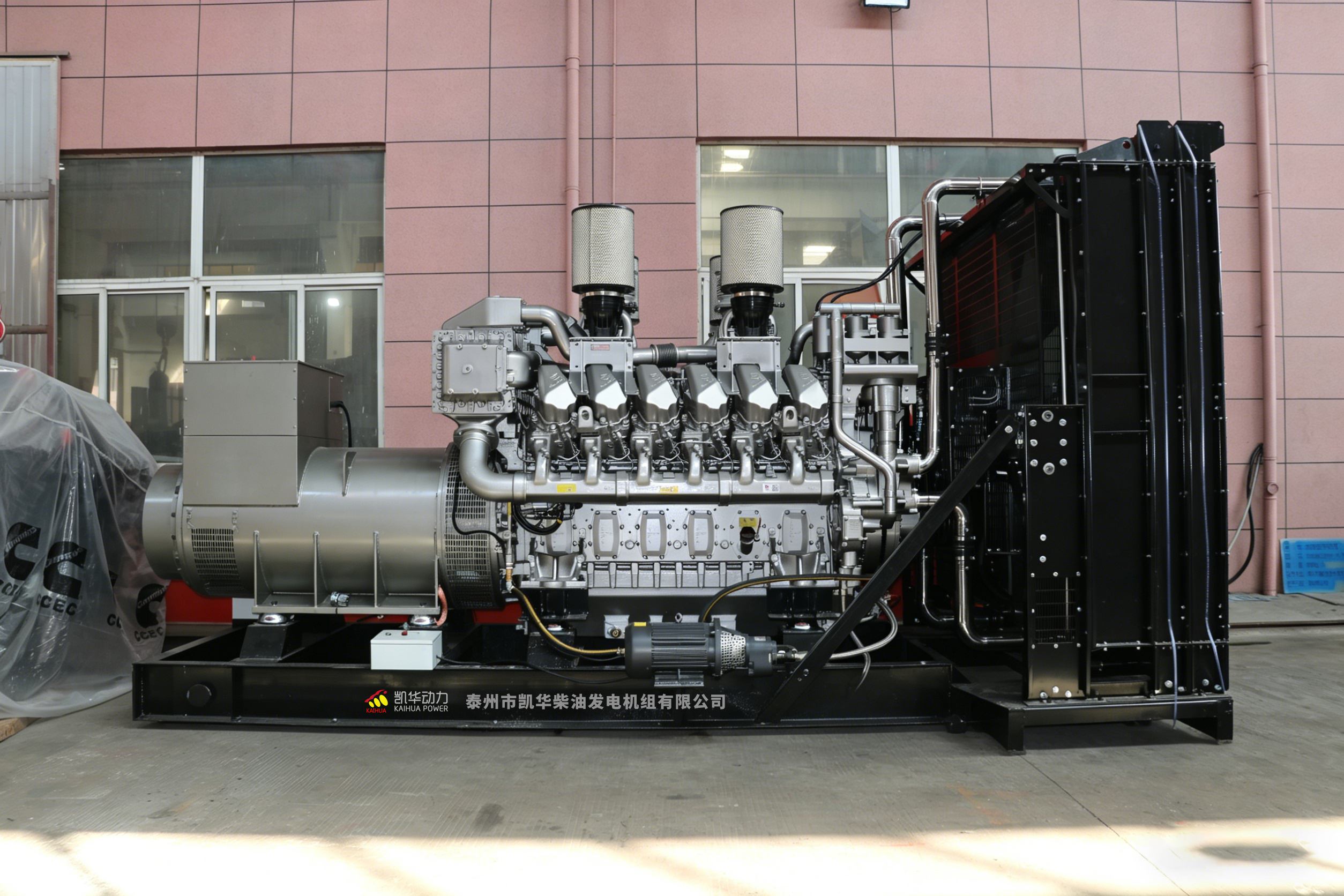
When systems absolutely cannot fail, SDEC frameworks step in with architectures designed to weather disruptions gracefully. The core idea isn't just redundancy—it's about intelligent orchestration where workload distribution, predictive health checks, and seamless failover work in concert. One standout approach involves stateful session preservation, so even if a node goes dark, the user experience remains fluid, with no dropped transactions or awkward reconnects. This model treats every component as both a potential point of failure and a learning opportunity, feeding telemetry into models that proactively shift traffic before alarms even trigger.
Another layer that often flies under the radar is the integration of edge-native resilience, where microservices are coupled with lightweight consensus protocols. Instead of relying on a central brain, these nodes negotiate local decisions, swiftly cordoning off unhealthy instances. What makes it truly compelling is how it embraces partial degradation: rather than a binary up/down state, services gracefully shed non-critical features, preserving core operations. When coupled with continuous verification loops that simulate chaos in production-like environments, these SDEC models don't just promise uptime—they bake adaptability into the very fabric of the infrastructure, turning potential meltdowns into minor blips.
How SDEC Generator Sets Deliver Consistent Energy in Critical Situations
In critical environments where power interruptions mean more than inconvenience, SDEC generator sets step up with a design philosophy centered on reliability. Their engines are built to endure extended operation without faltering, using heavy-duty components that resist wear even under relentless loads. This isn’t just about raw power—it’s about maintaining voltage and frequency stability when every second counts.
What sets these generators apart is their integrated control system that monitors real-time conditions and adjusts performance automatically. From sudden load shifts to prolonged fuel challenges, the system compensates without manual intervention, keeping output steady. The fuel efficiency doesn’t compromise response time either; these units transition from standby to full capacity almost instantly, a critical factor in emergency scenarios.
Beyond the machinery, SDEC’s global service network ensures that if something does go wrong, expertise is never far. This support layer adds a resilience that pure engineering can’t provide, creating a package that hospitals, data centers, and industrial sites rely on when grid failure isn’t an option.
The Technology Behind SDEC's Most Efficient Power Solutions
At the core of SDEC's advanced power systems lies a proprietary digital control architecture that continuously adapts to changing load and environmental conditions. Unlike conventional fixed-frequency designs, this dynamic topology adjusts switching patterns in real time, slashing energy loss during partial loads and transient events. The result is not just benchmark efficiency on paper, but consistent performance in the messy, unpredictable conditions where power supplies actually operate—from industrial motor starts to server farm demand spikes.
The engineering team rethought every passive component, opting for custom-wound planar magnetics and low-loss ferrite cores that operate cooler and pack more power into smaller volumes. By integrating silicon carbide (SiC) and gallium nitride (GaN) semiconductors where they matter most, SDEC pushed switching frequencies higher without the usual thermal penalty. This isn't a one-size-fits-all semiconductor fad; it’s a targeted deployment that extracts double-digit efficiency gains while avoiding the cost premiums that plague blanket wide-bandgap adoption.
On the software side, embedded machine-learning algorithms predict degradation and preemptively tweak the control loop to maintain peak efficiency over the product's lifetime. Instead of a static factory calibration that slowly drifts, each unit refines its own operating parameters by analyzing subtle signatures in input current harmonics and temperature gradients. This self-optimizing behavior means that a power supply installed today will actually run more efficiently in year three than year one—quietly shifting the industry’s focus from nameplate specs to long-haul energy intelligence.
Real-World Applications of SDEC Generators: When Power Can't Fail
In remote mountain relay stations, where grid power is a rumor and winter storms can seal roads for weeks, SDEC generators become the silent heartbeat of communication. One station manager in the Andes described how their unit ran for 18 days straight during a freak ice storm—not a single dropped call, not one lost temperature sensor reading for the vaccine cold chain stored on site. That kind of endurance isn’t just engineering; it’s a promise kept to every patient waiting for a medical transport that can still be coordinated because the radio still works.
Urban hospitals face a different beast: seconds count, and transfer switches can flicker. A central London hospital integrated SDEC units after a near-miss blackout during a complex cardiac surgery. Now, their generators don’t just sit in the basement waiting for a grid failure—they run synchronized micro-grid tests twice a month, spooling up so fast that the surgical lights never even twitch. The chief engineer admitted he sleeps better knowing the diesel never gets stale and the block heater keeps the engine ready to take full load in under ten seconds.
Then there’s the quiet heroism of water treatment plants. After a flood hit a Midwest town, the backup SDEC generator at the main pumping station kept effluent from backing up into hundreds of homes for four days until line crews could restore transmission lines. The plant operator later said there was no drama, no frantic phone calls—just the steady hum of a machine that treated the crisis as just another Tuesday. That’s the real benchmark: when technology goes unnoticed precisely because it never fails.
Comparing SDEC's Leading Generator Sets for Your Power Needs
SDEC's generator lineup isn't a one-size-fits-all solution—each model brings something distinct to the table, tailored for different demands. From compact units that hum quietly at remote sites to heavy-duty workhorses built for continuous industrial operation, the range covers a wide spectrum. What sets them apart is how they balance fuel efficiency with raw output, often surprising operators with lower running costs than expected for their class.
Digging into the specs, you'll notice thoughtful engineering choices like advanced cooling systems that keep noise levels down without sacrificing performance. The mid-range models, for instance, handle voltage fluctuations more gracefully than others in the same tier, making them a solid choice for sensitive equipment. Meanwhile, the larger sets integrate monitoring features that give you real-time data without needing a third-party add-on.
Choosing the right one comes down to how you weigh reliability against upfront investment. SDEC's designs emphasize straightforward maintenance—accessible filters, simplified control panels—which cuts downtime in the long run. Whether you're powering a construction site or backing up a critical facility, these generators manage to feel purpose-built rather than assembled from off-the-shelf parts.
FAQ
SDEC generator sets are engineered with robust diesel engines that deliver consistent performance, even under heavy loads. They feature advanced fuel injection technology, which improves efficiency and reduces emissions, making them reliable for long-running operations in remote or demanding environments.
For residential use, the SDEC SC4H series with a power range of 20-50 kVA is often the go-to option. These models are compact, operate quietly, and can be integrated with automatic transfer switches to ensure seamless power during outages without manual intervention.
The SC13G series, with outputs up to 400 kVA, is built on a heavy-duty platform that includes a high-capacity cooling system and an electronic governor. This combination allows the unit to quickly respond to load changes without voltage dips, which is critical for industrial machinery that cycles on and off frequently.
The 6WTAA models are turbocharged and aftercooled, designed for prime power applications where downtime isn't an option. They feature redundant starting systems and can be paralleled with multiple units, providing N+1 reliability. Their low harmonic distortion also protects sensitive electronic equipment.
Yes, most SDEC generator sets from the SC13G and larger series come with digital control panels that support easy paralleling. You can synchronize up to 16 units without external modules, using just a network cable and basic configuration, which makes expanding power capacity straightforward as needs grow.
Routine maintenance includes checking oil and coolant levels every 50 hours, replacing fuel filters every 250 hours, and a full service inspection every 500 hours or annually. SDEC engines are designed with easy-access service points, so typical upkeep takes under 30 minutes and can be done by on-site staff.
SDEC offers cold-weather packages with block heaters and battery warmers for sub-zero starts, and tropicalized kits with anti-condensation heaters and corrosion-resistant coatings for humid or coastal areas. These adaptations ensure reliable starting and operation from -40°C to 55°C.
With consistent maintenance, an SDEC generator can easily exceed 25,000 operating hours before major overhaul. Many units in agricultural and telecom applications have been running for over 20 years, thanks to the durable cast-iron block and replaceable cylinder liners that extend engine life.
Conclusion
SDEC generators have built a solid reputation for combining robust engineering with practical fuel efficiency, making them a go-to solution when power stability is non-negotiable. Their design philosophy goes beyond simply producing electricity; it prioritizes uninterrupted performance under demanding conditions, whether in a remote mining site or a busy hospital. The lineup features models that leverage advanced engine technology, ensuring consistent energy output even during prolonged outages or peak loads. What truly sets them apart is the seamless integration of intelligent control systems that monitor and adjust performance in real time, reducing wear and maximizing uptime. This reliability isn't just theoretical—it's proven in critical situations where every second of downtime carries significant consequences.
Across various industries, from data centers to agricultural operations, SDEC generator sets have demonstrated their ability to handle tough environments without compromising on power quality. The range includes options tailored for different scales, allowing users to match a model precisely to their unique energy demands rather than settling for a one-size-fits-all approach. Innovations in fuel combustion and exhaust management not only boost efficiency but also meet stringent emission standards, making these units a forward-thinking choice. When comparing leading models, the focus shifts to lifecycle cost, maintenance intervals, and ease of integration with existing infrastructure—areas where SDEC consistently delivers. Ultimately, these generators provide more than backup power; they offer peace of mind by turning a potential crisis into a manageable event.
Contact Us
Contact Person: Ms. Lu
Email: [email protected]
Tel/WhatsApp: 8618917899306
Website: https://www.hichaipower.com