

ABB Electromotor Wholesale: Your Complete Sourcing and Savings Guide
2026-07-10
Sourcing ABB electromotors at wholesale prices doesn't have to be a guessing game. Whether you're upgrading industrial equipment or managing a large-scale project, understanding the supply chain can mean the difference between overspending and saving big. At Soochee, we've seen how the right sourcing strategy unlocks consistent quality and lower costs. This guide cuts through the noise, offering practical steps to secure genuine ABB motors while avoiding common pitfalls. Ready to power up your procurement process? Let's dive in.
Unlock Hidden Savings in ABB Electromotor Bulk Purchases
When buying ABB electromotors in bulk, the most obvious savings come from the lower per-unit price. But the hidden savings run much deeper. By consolidating your orders, you slash administrative overhead—fewer purchase orders, fewer invoices, and less time spent coordinating deliveries. This streamlines your procurement process and frees up your team to focus on higher-value tasks.
Beyond procurement, bulk purchasing unlocks savings in inventory management. With a predictable supply of motors, you can reduce safety stock levels and minimize costly emergency orders. You also gain leverage to negotiate better payment terms and extended warranties, directly improving your cash flow. Factory-trained support and priority access to technical experts often come as part of the package, reducing downtime and boosting overall equipment effectiveness.
Lastly, a strategic bulk purchase opens the door to lifecycle cost reductions. Standardizing on ABB motors simplifies maintenance training, spare parts stocking, and retrofitting across multiple facilities. You can even partner with ABB to implement energy efficiency audits or predictive maintenance programs that further drive down operating costs. These long-term advantages far exceed the initial price break, transforming a simple transaction into a competitive edge.
The Smart Buyer’s Playbook for ABB Motor Sourcing
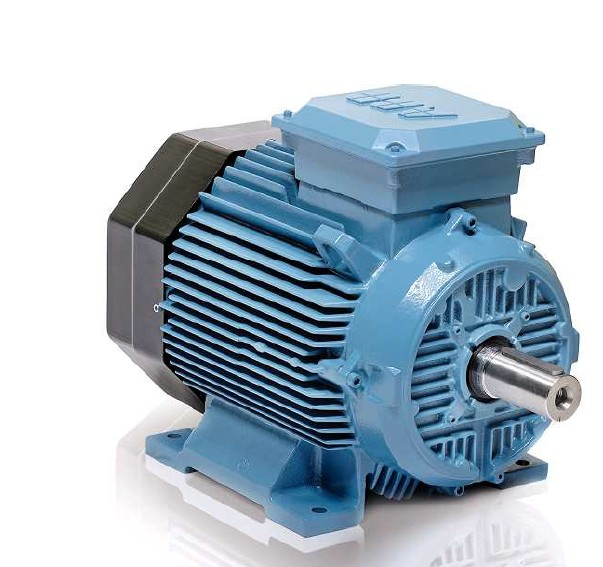
When sourcing ABB motors, understanding your application’s exact demands is the first step that most buyers overlook. Voltage, enclosure type, mounting arrangement, and duty cycle aren’t just checkboxes—they directly impact longevity and efficiency. A motor that fits the nameplate but not the environment will cost you more in downtime than you saved on the purchase price. Take the time to map out the real operating conditions before you even glance at a catalog.
Price hunting alone is a trap. Authorized distributors might quote slightly higher than gray-market sellers, but the hidden costs of unverified units—voided warranties, mismatched components, or no post-sale support—quickly stack up. Ask for a documented trace back to the factory, and don’t be shy about verifying the serial number with ABB directly. A few extra minutes of due diligence can save months of headache.
Finally, factor in the total lifecycle, not just the upfront spend. Energy efficiency classes like IE3 or IE4 might raise the initial outlay, but in continuous-duty applications, the reduction in electricity bills pays back the difference faster than you’d think. Pair that with a service agreement that covers genuine parts and inspections, and you turn a simple procurement task into a long-term reliability strategy.
Why Wholesale ABB Motors Beat Retail Every Time
When you buy ABB motors in bulk through wholesale channels, the cost per unit drops significantly compared to retail pricing. This isn’t just a marginal discount—it’s a fundamental advantage that allows you to stretch project budgets further without compromising on quality. Wholesale suppliers typically operate on lower margins and benefit from direct partnerships with manufacturers, passing those savings directly to you. Over the life of a large installation, these savings compound, making wholesale the only sensible financial choice for contractors and industrial buyers.
Beyond price, wholesale purchasing gives you access to a wider selection and consistent stock that retail simply can’t match. Retail outlets often carry limited inventory, forcing you to compromise on specifications or wait for backorders. Wholesale distributors, on the other hand, maintain deep inventories across the entire ABB motor range—from general purpose to severe duty models—ensuring you get exactly the right motor for the job, right when you need it. That reliability in supply keeps projects on schedule and eliminates costly downtime.
Another often-overlooked edge is the technical support and long-term partnership that comes with wholesale relationships. Retail transactions are usually one-and-done; you might get basic help at the counter, but deep application knowledge is rare. Wholesale specialists work with ABB motors daily, can guide you through complex selections, and often provide after-sale service like startup assistance or troubleshooting. This kind of support turns a simple purchase into a strategic advantage, reducing the total cost of ownership and building a foundation for future projects.
Navigating the ABB Electromotor Market Without Getting Burned
Diving into the ABB electromotor market can feel like stepping into a maze of specs, suppliers, and pricing traps. It's not just about finding a motor that fits your flange—it's about understanding the subtle differences between official channels, authorized distributors, and the gray market. Many buyers get lured by lower upfront costs only to discover later that the warranty is void or the motor lacks proper certification for their region. Taking the time to verify supply chain authenticity and technical documentation upfront can save you from expensive downtime and compliance headaches down the road.
Another common pitfall is overlooking the operational environment when selecting an ABB motor. A unit rated for clean indoor use won't survive long in a dusty sawmill or a coastal installation with salt spray. Matching the ingress protection rating, cooling method, and insulation class to your actual conditions is non-negotiable—yet often glossed over in the rush to get a quote. Smart buyers cross-reference the motor's data sheet with real-world demands, and they don't hesitate to lean on ABB's application engineering resources for guidance. A little extra scrutiny here prevents premature failure and the blame game that follows.
Finally, keep a close eye on the total lifecycle cost instead of just the purchase price. Energy-guzzling motors might look cheap now but will bleed your budget through electricity bills. ABB's high-efficiency models, like those meeting IE4 or IE5 standards, often pay for themselves faster than anticipated. Factor in maintenance intervals, spare parts availability, and potential retrofitting costs when comparing options. A holistic view turns electromotor procurement from a gamble into a calculated move that strengthens your operation's bottom line.
From Quote to Delivery: Streamlining Your ABB Motor Order
Navigating the procurement of industrial motors can often feel fragmented, but our approach centers on continuity from the initial inquiry to the final dispatch. Rather than treating each step as a separate transaction, we integrate pricing, technical confirmation, and delivery scheduling into a coherent workflow. This ensures that the specifications you review in the proposal are precisely what get built, eliminating the back-and-forth that delays projects.
What sets the process apart is the direct connection between your requirements and our production planning. Once a quote is accepted, the order is automatically translated into a manufacturing directive with pre-validated lead times. This removes ambiguity and allows you to track progress in real time, without having to chase updates. The result is a shorter cycle from approval to shipment, which aligns with the urgency of modern engineering timelines.
Delivery is not an afterthought—it's built into the quoting phase. Logistics options, including expedited freight and regional consolidation, are presented alongside the technical offer so you can make informed decisions early. By the time the motor is ready, packaging and routing are already arranged, minimizing transit delays. This end-to-end visibility means you can plan your installation with confidence, knowing that the equipment will arrive when expected.
Real-World Tips to Slash Costs on ABB Electromotors
One of the simplest yet most overlooked ways to cut costs with ABB electromotors is to rightsize your motor for the actual load. Too often, motors are oversized ‘just in case,’ leading to unnecessary energy draw and higher electricity bills. By carefully reviewing your application’s torque and speed requirements, you can opt for a smaller, high-efficiency ABB model that handles the job without wasting power. Combine this with variable speed drives where loads fluctuate, and you’ll see a noticeable drop in energy consumption—often 20% or more—while also extending the motor’s lifespan thanks to reduced mechanical stress.
Maintenance practices are another area where real money slips through the cracks. Instead of sticking to rigid time-based schedules, switch to condition-based monitoring using ABB’s smart sensor technology. These compact devices attach directly to the motor and continuously track vibration, temperature, and other indicators of wear. They alert you only when something starts to drift outside normal parameters, so you avoid unnecessary downtime and part replacements. Technicians can plan interventions during planned shutdowns rather than reacting to surprise failures, slashing both repair costs and lost production time.
Finally, don’t underestimate the financial impact of simply keeping your motors clean and well-ventilated. Dust, debris, and poor airflow force ABB motors to work harder, raising operating temperatures and accelerating insulation breakdown. A routine cleaning of cooling fins and fan covers costs almost nothing but can improve efficiency by several percentage points. Also, take a close look at your electrical supply: phase imbalance or harmonic distortion can cause invisible energy losses and premature failure. A power quality audit might reveal fixes as straightforward as redistributing single-phase loads or adding passive filters—small upfront efforts that yield long-term savings.
FAQ
ABB motors are renowned for their reliability, energy efficiency, and wide power range, making them suitable for everything from small machinery to heavy-duty industrial processes. Their robust construction and advanced engineering help minimize downtime and maintenance costs.
Purchasing wholesale often unlocks significant price breaks, ensures consistent supply for ongoing projects, and simplifies logistics. It’s a practical approach for businesses that regularly need motors, avoiding repeated procurement and potential stockouts.
Always request official certificates of authenticity and check for proper labeling and serial numbers that match ABB’s records. Establishing a direct relationship with an authorized distributor or a well-reviewed supplier with a proven track record is the safest way.
ABB’s lineup includes low-voltage induction motors, high-efficiency IE3 and IE4 models, synchronous reluctance motors, and specialized designs for hazardous areas. They also offer motors tailored for specific industries like mining, water treatment, and marine.
Yes, most wholesalers are open to negotiation, especially for bulk purchases or long-term contracts. Prices often depend on order volume, frequency, and your relationship with the supplier, so it pays to discuss your needs upfront.
Look for industry experience, transparent warranty terms, after-sales support, and the ability to deliver on time. A supplier that offers technical guidance and stock availability insights can save you from costly mistakes.
Their high efficiency ratings mean lower electricity consumption, and their durable design reduces repair and replacement frequency. Over the lifespan of a motor, these savings can far outweigh the initial purchase price.
Many distributors can facilitate custom orders, including modified shaft dimensions, special paint, or unique mounting setups. You’ll need to provide detailed specifications, and lead times may be longer than standard models.
Conclusion
Sourcing ABB electromotors at wholesale levels opens doors to cost efficiencies that most buyers overlook. By targeting bulk purchases, you unlock tiered pricing and negotiated discounts that retail channels simply can’t match. Smart sourcing starts with mapping your consumption patterns—consolidating orders across projects or departments often reveals hidden leverage. A well-structured request for quotation, detailing not just volumes but delivery timelines and technical specs, invites suppliers to sharpen their pencils. Meanwhile, understanding the full market landscape, from authorized distributors to independent stockists, helps you avoid overpaying for perceived scarcity. The real savings lie in proactive planning: forecasting demand, locking in rates with long-term agreements, and timing purchases outside peak cycles to sidestep inflated prices.
Wholesale procurement also shields you from common pitfalls that trip up retail buyers. Thoroughly vetting suppliers—checking certifications, after-sales support, and genuine parts guarantees—safeguards against counterfeit motors and unexpected downtime. Streamlining the order-to-delivery process reduces lead times and administrative overhead; by integrating your systems with a trusted partner, you can automate replenishment and track shipments in real time. On the ground, practical measures like standardizing motor specifications across your fleet, investing in energy-efficient models that qualify for rebates, and maintaining a strategic buffer stock can slash total lifecycle costs. When you view wholesale not just as a transaction but as a partnership built on volume, reliability, and joint cost management, ABB electromotor sourcing becomes a competitive advantage, not just a procurement task.
Contact Us
Contact Person: Jenny Jaa
Email: [email protected]
Tel/WhatsApp: 0086 152 9510 6006
Website: https://www.china-motor-supplier.com